
How to Choose the Right Responsive Web Design Firm
A website needs to work well wherever people visit it—on a desktop monitor, a tablet, or a smartphone. A responsive web design firm can help create a site that adapts to different screen sizes while remaining easy to use, visually consistent, and aligned with your business goals.
Choosing a design partner is about more than finding someone who can make a page look attractive. The right firm considers how visitors use your site, what they need to accomplish, and how the design can support your organization over time.
What Is Responsive Web Design?
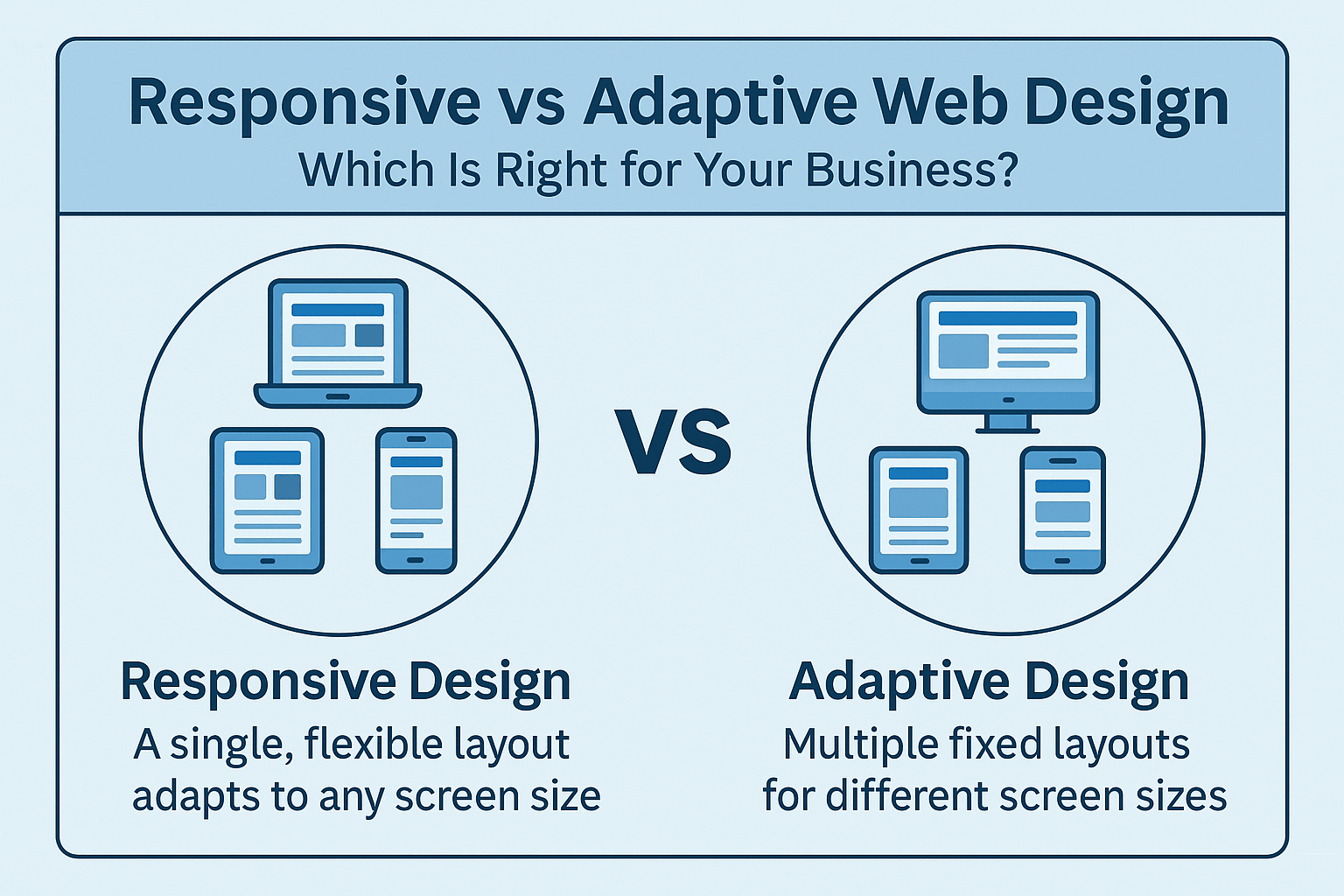
Responsive web design is an approach to building websites so that layouts and features adjust to the device and screen being used. Text should remain readable, images should fit the available space, and navigation should be easy to use without unnecessary scrolling or zooming.
A responsive website is not simply a smaller version of a desktop site. It takes into account how people interact with different devices. For example, mobile visitors may need clear menus, prominent contact information, and buttons that are comfortable to tap.
What a Responsive Web Design Firm Does
A responsive web design firm typically brings strategy, design, and development together. Depending on the project, its services may include:
- Reviewing your existing website and identifying usability issues
- Planning site structure, navigation, and content priorities
- Designing layouts for mobile, tablet, and desktop screens
- Developing and testing the website across devices and browsers
- Improving accessibility, performance, and search-friendly structure
- Providing ongoing maintenance, updates, or technical support
Not every project needs every service. Before hiring a firm, clarify what you need now and what you may need later.
Benefits of Working With a Responsive Web Design Firm
A Better Experience Across Devices
Visitors expect a site to be straightforward to use, whether they arrive from a phone or a computer. Responsive design helps keep important content and actions accessible across screen sizes, which can reduce frustration and encourage visitors to stay engaged.
More Consistent Branding
A well-planned responsive site presents your brand consistently while adapting its layout to each device. Colors, typography, imagery, and tone can remain recognizable without forcing the same design onto every screen.
Support for Business Goals
A website may need to generate inquiries, sell products, explain services, or help customers find information. A design firm can help connect the site’s structure and user experience to those goals, rather than focusing on appearance alone.
A Foundation for Future Improvements
Responsive design is part of building a site that can evolve. A flexible foundation can make it easier to add pages, update content, or introduce new features as your organization changes.
How to Evaluate a Responsive Web Design Firm
Review Relevant Work
Look through the firm’s portfolio and pay attention to how its sites work on mobile devices, not just how they appear in desktop screenshots. If possible, visit live examples and test the navigation, forms, and key actions on your phone.
Ask About Its Process
A reliable project process should include discovery, planning, design, development, testing, and launch. Ask who will be involved, how feedback is handled, and what decisions or materials you will need to provide.
Discuss Testing and Accessibility
Ask how the firm tests websites across screen sizes and browsers. It is also worth discussing accessibility, including keyboard navigation, readable contrast, clear labels, and support for assistive technologies.
Understand the Scope and Costs
Request a written proposal that explains what is included, what is out of scope, and how additional work is priced. The proposal should also make clear who is responsible for content, hosting, domain management, and ongoing maintenance.
Consider Communication and Support
Good communication can make a complex project easier to manage. Find out who your main contact will be, how often you will receive updates, and what support is available after launch.
Questions to Ask Before Hiring
- How will you learn about our audience and business objectives?
- How do you plan and test responsive layouts?
- What content or materials should we provide?
- How will the site be tested for accessibility and performance?
- Will we be able to update the website ourselves?
- What is included in the project price?
- What support do you offer after the website launches?
Choosing a Firm That Fits Your Project
The best responsive web design firm is not necessarily the largest or the least expensive. Look for a partner that understands your objectives, explains its recommendations clearly, and can demonstrate thoughtful work across a range of devices. A clear process, realistic scope, and reliable communication are just as important as visual design.
Before signing an agreement, compare proposals, check references where available, and make sure expectations are documented. With the right partner, a responsive website can serve visitors more effectively and provide a flexible foundation for your organization’s digital presence.
9 Benefits of Choosing a Responsive Web Design Firm for Your Business
- Creates websites that adapt to every screen size
- Improves mobile user experience
- Keeps branding consistent across devices
- Makes navigation easier for visitors
- Supports accessibility best practices
- Helps improve website performance
- Designs with business goals in mind
- Tests across devices and browsers
- Provides a flexible foundation for growth
6 Challenges of Hiring a Responsive Web Design Firm for Small Businesses
- Can be expensive for small businesses.
- Project timelines may be lengthy.
- Quality varies between firms.
- Scope changes can increase costs.
- Communication may be inconsistent.
- Ongoing updates may require extra fees.
Creates websites that adapt to every screen size
A responsive web design firm creates websites that adapt to every screen size, from smartphones and tablets to laptops and desktop monitors. By adjusting layouts, images, text, and navigation to fit each device, the firm helps make content easy to read and features simple to use. This gives visitors a more consistent experience wherever they access your website.
Improves mobile user experience
A responsive web design firm improves the mobile user experience by making sure your website is easy to use on smaller screens. The team can optimize navigation, text, images, and buttons so visitors can find information, contact your business, or complete a purchase without pinching, zooming, or struggling with awkward layouts. A smoother mobile experience can help keep visitors engaged and make your website more useful wherever they access it.
Keeps branding consistent across devices
A responsive web design firm helps keep your brand consistent across phones, tablets, and desktops. By carrying your colors, typography, imagery, and visual style across screen sizes, the firm creates a familiar experience wherever visitors access your site. The layout can adapt to each device without making your brand feel different or disconnected, helping customers recognize and trust your business.
Makes navigation easier for visitors
A responsive web design firm makes navigation easier by designing menus and page layouts to work naturally on phones, tablets, and desktops. Clear labels, touch-friendly controls, and well-organized content help visitors find what they need without pinching, zooming, or hunting through confusing menus.
Supports accessibility best practices
A responsive web design firm can help make your website more accessible by considering how people with different abilities use it across devices. This may include creating clear navigation, using readable text and sufficient color contrast, adding descriptive labels to forms and images, and supporting keyboard navigation and assistive technologies. By building accessibility into the design and testing process, a firm can help more visitors access your content and complete important tasks with confidence.
Helps improve website performance
A responsive web design firm can help improve website performance by optimizing images, streamlining code, and tailoring layouts and features to different devices. Faster-loading pages make it easier for visitors to find what they need, especially on mobile connections, while efficient design can reduce unnecessary data use and create a smoother browsing experience.
Designs with business goals in mind
A responsive web design firm designs with your business goals in mind, creating more than an attractive website. By understanding what you want visitors to do—such as make a purchase, request a quote, or get in touch—the firm can shape the site’s layout, content, and calls to action to support those outcomes. It also ensures the experience works smoothly across phones, tablets, and desktops, helping more visitors take the next step wherever they browse.
Tests across devices and browsers
A responsive web design firm tests your website across a range of devices, screen sizes, and browsers to catch issues before visitors do. This helps ensure that pages display correctly, navigation works as expected, and forms, buttons, and other features remain usable on phones, tablets, and computers. Thorough testing can also reveal browser-specific problems, helping deliver a more consistent and reliable experience for your audience.
Provides a flexible foundation for growth
A responsive web design firm can build your website on a flexible foundation that adapts as your business grows. With a thoughtful structure and layouts designed for different devices, it’s easier to add new pages, features, and content without starting over. This helps your website keep pace with changing customer needs, technology, and business goals.
Can be expensive for small businesses.
Hiring a responsive web design firm can be expensive for small businesses, especially when the project includes custom design, development, testing, and ongoing support. Costs may also increase if the website needs complex features or frequent updates. Small businesses can manage expenses by defining essential requirements in advance, requesting a detailed estimate, and asking whether the firm offers phased development or a more affordable package.
Project timelines may be lengthy.
One potential drawback of working with a responsive web design firm is that project timelines may be lengthy. Building a site that works smoothly across devices often involves research, planning, design, development, and testing, along with rounds of client feedback and revisions. The process can take even longer when project goals are unclear, content is delayed, or new requirements arise. Establishing milestones, responsibilities, and approval deadlines at the start can help keep the work on track.
Quality varies between firms.
Quality can vary significantly between responsive web design firms, so the label alone does not guarantee a well-built, easy-to-use website. Some firms carefully plan for different devices, test their work, and follow accessibility and performance standards, while others may rely on generic templates or provide limited testing and support. Review each firm’s portfolio, process, client references, and project scope before making a decision.
Scope changes can increase costs.
Scope changes can increase costs when new requirements arise after a responsive web design project is underway. Adding pages, features, or device-specific functionality may require extra design, development, and testing beyond what the original agreement covers. To avoid surprises, clarify project deliverables, revision limits, and hourly or change-request fees with the firm before work begins.
Communication may be inconsistent.
Communication may be inconsistent when working with a responsive web design firm, especially if project responsibilities, update schedules, or points of contact aren’t clearly defined. Delayed replies or infrequent progress reports can make it difficult to provide timely feedback, track milestones, and address problems before they affect the launch. Before work begins, agree on communication channels, response times, meeting frequency, and who to contact with questions or concerns.
Ongoing updates may require extra fees.
Ongoing updates may come with extra fees, so the initial project price may not cover every change your website needs after launch. Content edits, software updates, new features, and troubleshooting could be billed separately or require a maintenance plan. Before hiring a responsive web design firm, ask what post-launch support is included, how additional work is priced, and whether recurring maintenance costs apply.