
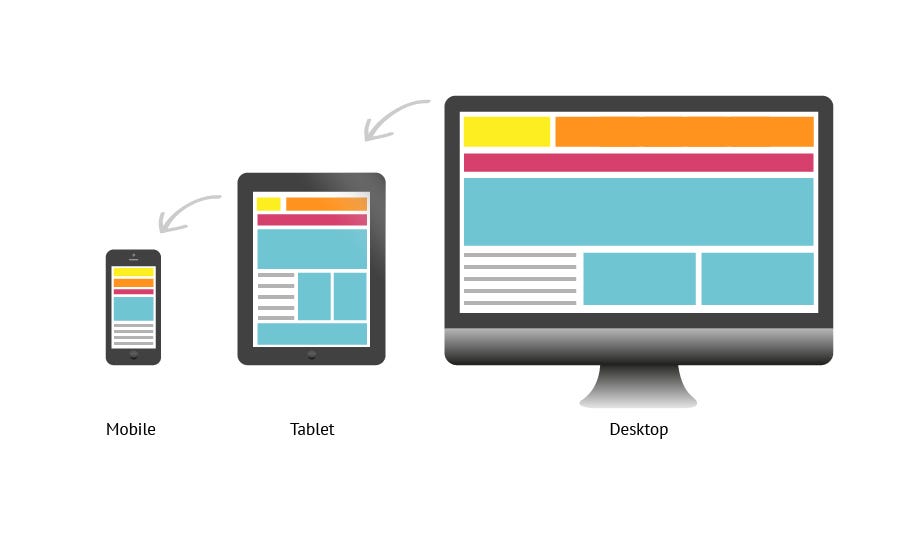
Responsive Web Design Layout
In today’s digital age, having a responsive web design layout is crucial for ensuring that your website looks great and functions well on any device. With the increasing use of smartphones and tablets to access the internet, it’s more important than ever to create a website that adapts to different screen sizes and resolutions.
A responsive web design layout uses CSS media queries to adjust the layout of a website based on the size of the user’s screen. This allows elements on the page to resize, reposition, or even be hidden to provide the best possible user experience across devices.
One of the key benefits of using a responsive web design layout is that it eliminates the need for separate mobile and desktop versions of your website. Instead, you can create a single website that automatically adjusts to fit any screen size, making it easier to maintain and update in the long run.
Another advantage of responsive web design is improved SEO performance. Search engines like Google prioritize mobile-friendly websites in search results, so having a responsive layout can help boost your site’s visibility and ranking.
When designing a responsive layout, it’s important to consider factors such as font sizes, image dimensions, navigation menus, and button sizes to ensure that your website remains user-friendly across all devices. Testing your layout on different devices and screen sizes is also crucial to identify any issues and make necessary adjustments.
In conclusion, a responsive web design layout is essential for creating a modern, user-friendly website that performs well across various devices. By implementing a responsive layout, you can enhance user experience, improve SEO performance, and future-proof your website for continued success in the digital world.
Understanding Responsive Web Design: Key FAQs and Concepts
- What is a responsive website layout?
- What is a responsive layout for a web page?
- What are the 3 basic things required for responsive web design?
- What is the architecture of responsive web design?
- What is responsive layout in HTML?
- What are the 7 C’s of website design?
- What is responsive website design layout?
What is a responsive website layout?
A responsive website layout refers to a design approach that allows a website to adapt and adjust its content and elements based on the screen size and device being used to view it. In simpler terms, a responsive website layout ensures that the website looks and functions seamlessly on desktops, laptops, tablets, and smartphones. By using CSS media queries and flexible grids, a responsive layout enables the content to resize, reposition, or even be hidden to provide an optimal viewing experience for users across different devices. This approach eliminates the need for separate mobile versions of websites and helps ensure consistency in design and usability regardless of the device being used.
What is a responsive layout for a web page?
A responsive layout for a web page refers to a design approach that allows the webpage to adapt and adjust its appearance based on the screen size and orientation of the device being used to view it. In simpler terms, a responsive layout ensures that the content on the webpage is displayed in an optimal way, regardless of whether it is being viewed on a desktop computer, laptop, tablet, or smartphone. By utilizing CSS media queries and flexible grids, a responsive layout enables elements such as text, images, and navigation menus to resize, reposition, or even be hidden to provide an optimal viewing experience for users across various devices.
What are the 3 basic things required for responsive web design?
When it comes to responsive web design, there are three basic things that are essential for creating a successful layout. Firstly, a flexible grid system is crucial for ensuring that your website’s content can adapt and reflow smoothly across different screen sizes. Secondly, media queries play a key role in defining the styles and layout adjustments needed for specific devices or screen resolutions. Lastly, fluid images that can scale proportionally based on the size of the viewport are important for maintaining visual consistency and quality on various devices. By incorporating these three fundamental elements into your responsive web design approach, you can create a user-friendly and visually appealing website that performs well across all devices.
What is the architecture of responsive web design?
The architecture of responsive web design revolves around creating a flexible and adaptable layout that responds to the user’s device and screen size. This architecture typically involves using CSS media queries to set breakpoints where the layout will change based on the screen width. Elements on the page are then styled and positioned accordingly to ensure optimal display and functionality across devices. By structuring the design with a mobile-first approach, where the layout is initially designed for smaller screens and then scaled up for larger screens, responsive web design architecture aims to provide a seamless and consistent user experience regardless of the device being used.
What is responsive layout in HTML?
A responsive layout in HTML refers to a design approach that allows a website to adapt and respond to different screen sizes and devices. By using CSS media queries and flexible grid systems, a responsive layout ensures that the content on a webpage adjusts dynamically based on the user’s screen size, whether they are viewing it on a desktop computer, tablet, or smartphone. This fluid design technique enables elements like text, images, and navigation menus to reposition, resize, or even be hidden as needed to provide an optimal viewing experience for users across various devices. In essence, a responsive layout in HTML is essential for creating websites that are user-friendly, visually appealing, and accessible on any screen size.
What are the 7 C’s of website design?
The 7 C’s of website design are a set of principles that guide the creation of effective and user-friendly websites. These principles include: clarity, consistency, content, connection, customization, community, and conversion. Clarity emphasizes the importance of clear and concise communication to ensure that visitors understand your message. Consistency involves maintaining a uniform design and layout throughout the website for a cohesive user experience. Content refers to providing valuable and relevant information to engage users. Connection focuses on creating a seamless user journey and facilitating interaction. Customization tailors the website to meet the needs of different users. Community encourages building relationships with users through engagement and feedback. Conversion aims to turn visitors into customers or achieve specific goals through strategic design elements. By incorporating these 7 C’s into website design, you can create a compelling and successful online presence that resonates with your audience.
What is responsive website design layout?
Responsive website design layout refers to the approach of designing and developing a website that automatically adjusts its layout and content to fit different screen sizes and devices. This means that a responsive website will look great and function seamlessly on desktop computers, laptops, tablets, and smartphones without the need for separate versions or redirects. By using CSS media queries and flexible grids, a responsive design ensures that users have a consistent and optimized experience no matter how they access the website. This adaptability is essential in today’s mobile-first world, where users expect websites to be easily accessible and user-friendly across all devices.