
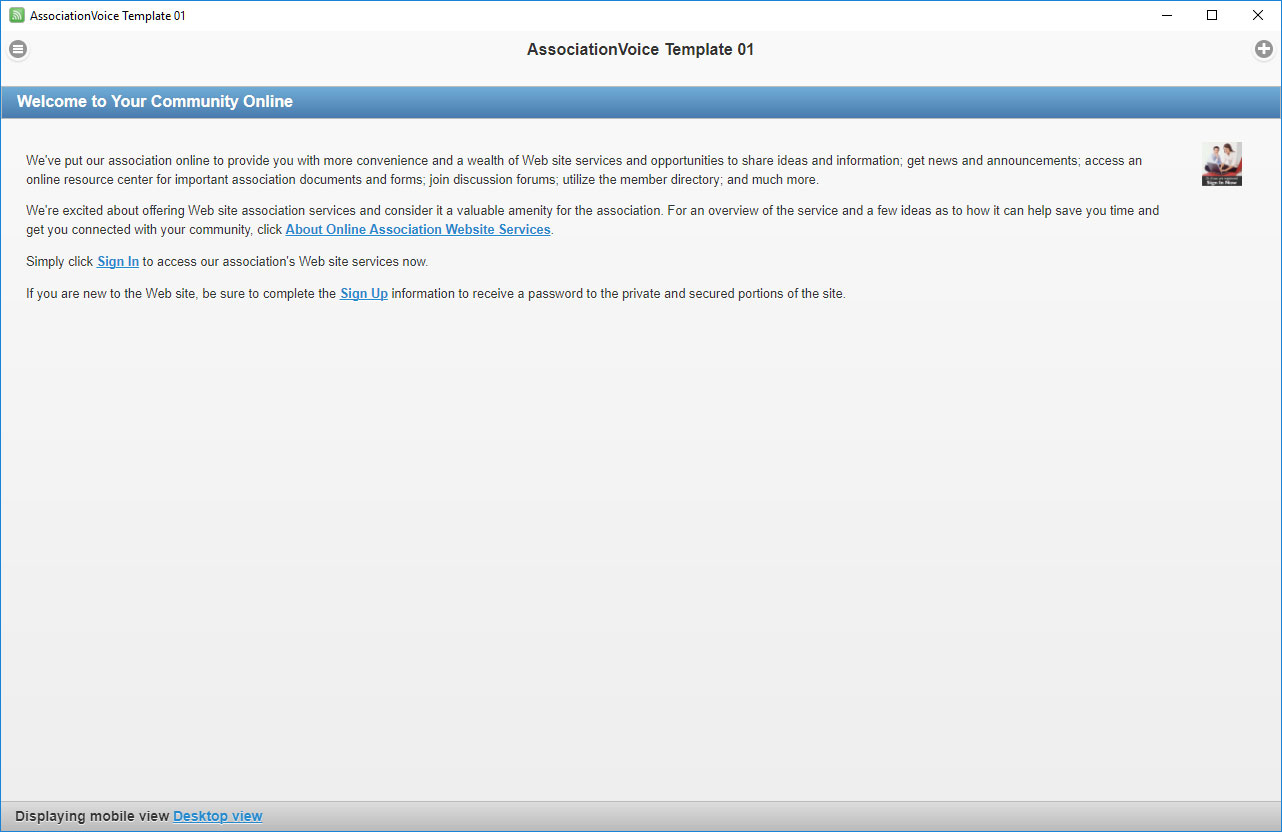
The Pitfalls of Non-Responsive Web Design
In today’s digital age, having a responsive website is crucial for success. A responsive website adapts to different screen sizes and devices, providing users with an optimal viewing experience. However, some websites are still designed without responsiveness in mind, leading to several pitfalls.
Poor User Experience
Non-responsive websites often look distorted and hard to navigate on mobile devices. Users may have to zoom in and out to read content or click on links, resulting in a frustrating experience that can drive them away.
Decreased Traffic and Conversions
With the increasing use of mobile devices for browsing the web, non-responsive websites risk losing potential traffic and conversions. If users struggle to access your site on their smartphones or tablets, they are likely to abandon it in favor of a competitor’s responsive site.
Negative Impact on SEO
Search engines like Google prioritize mobile-friendly websites in their search results. Non-responsive sites may be penalized in search rankings, leading to lower visibility and less organic traffic.
Maintenance Challenges
Managing multiple versions of a website (desktop, mobile, tablet) can be time-consuming and costly for businesses with non-responsive designs. Updates and changes need to be applied across all versions separately, increasing the risk of inconsistencies.
Missed Opportunities for Growth
A responsive design allows your website to adapt seamlessly as new devices and screen sizes emerge. By neglecting responsiveness, you limit your site’s potential for reaching a wider audience and adapting to evolving technology trends.
In conclusion, non-responsive web design poses significant challenges that can hinder user experience, traffic generation, SEO performance, maintenance efficiency, and growth opportunities. It is essential for businesses and website owners to prioritize responsiveness in their design strategy to stay competitive in today’s digital landscape.
Understanding Non-Responsive Web Design: Key FAQs and Insights
- What is non-responsive web design?
- What is the opposite of responsive web design?
- What happens if a website is not responsive?
- How to convert a non-responsive website into responsive?
- What’s the difference between unresponsive and non-responsive?
What is non-responsive web design?
Non-responsive web design refers to a design approach where a website is not optimized to adapt and display properly across various screen sizes and devices. In other words, non-responsive websites do not adjust their layout and content based on the user’s device, leading to a poor user experience on mobile phones, tablets, and other devices with different screen resolutions. This lack of responsiveness can result in distorted layouts, difficult navigation, and overall usability issues for visitors accessing the site on smaller screens. It is crucial for websites to be responsive in today’s digital landscape to ensure a consistent and user-friendly experience across all devices.
What is the opposite of responsive web design?
The opposite of responsive web design is fixed or static web design. In fixed web design, the layout and content of a website are designed to remain constant regardless of the screen size or device being used to view it. This lack of adaptability can result in a poor user experience, as the site may appear distorted or difficult to navigate on different devices. Fixed web design is becoming increasingly outdated as more users access websites on a variety of devices with varying screen sizes, highlighting the importance of responsive design for providing an optimal viewing experience across all platforms.
What happens if a website is not responsive?
When a website is not responsive, it fails to adapt to different screen sizes and devices, leading to a poor user experience. Users may encounter distorted layouts, difficult navigation, and the need to zoom in and out to view content. This can result in decreased traffic and conversions as frustrated visitors are more likely to leave the site. Non-responsive websites also risk being penalized in search engine rankings, negatively impacting their visibility and organic traffic. Additionally, maintaining multiple versions of a non-responsive site can be time-consuming and costly, hindering growth opportunities and limiting the site’s ability to adapt to changing technology trends. Overall, the consequences of having a non-responsive website can include lost traffic, lower conversions, reduced SEO performance, maintenance challenges, and missed opportunities for reaching a wider audience.
How to convert a non-responsive website into responsive?
Converting a non-responsive website into a responsive one involves several key steps to ensure a seamless transition. First, it is essential to conduct a thorough analysis of the existing website structure and design to identify areas that need improvement for responsiveness. This may include redesigning layouts, adjusting font sizes, optimizing images, and implementing flexible grids and media queries. Next, developers should prioritize mobile-first design principles to create a user-friendly experience on smaller screens. Testing across various devices and screen sizes is crucial to identify and address any issues that may arise during the conversion process. By following these steps diligently and leveraging the latest web development techniques, businesses can successfully transform their non-responsive website into a responsive one that caters to the needs of modern users.
What’s the difference between unresponsive and non-responsive?
The difference between unresponsive and non-responsive in the context of web design lies in their implications. “Unresponsive” typically refers to a website that is slow or not functioning properly, regardless of the device being used. On the other hand, “non-responsive” specifically refers to a website that does not adjust its layout and design elements to fit different screen sizes and devices. While both terms indicate issues with website performance, non-responsive design specifically highlights the lack of adaptability to provide an optimal viewing experience across various devices.