
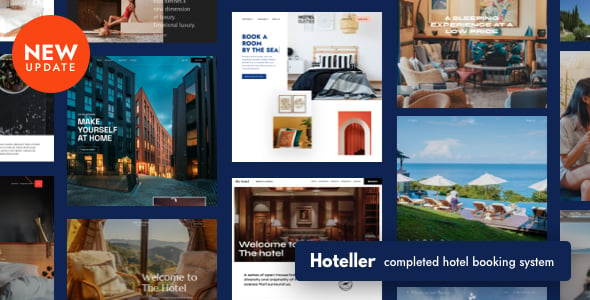
The Importance of Hotel Website Design
When it comes to the hospitality industry, having a strong online presence is crucial for attracting guests and driving bookings. A well-designed hotel website can make a lasting impression on potential customers and showcase the unique features and offerings of your property.
Key Elements of Effective Hotel Website Design
Visual Appeal: Use high-quality images and videos to highlight your hotel’s amenities, rooms, and surroundings. Visual content plays a key role in capturing the attention of visitors and enticing them to explore further.
User-Friendly Navigation: Make it easy for visitors to find important information such as room rates, availability, booking options, and contact details. Clear navigation menus and intuitive design can enhance the user experience.
Mobile Responsiveness: With more people browsing the internet on their smartphones and tablets, it’s essential that your hotel website is optimized for mobile devices. Responsive design ensures that your site looks great and functions well across all screen sizes.
Tips for Designing a Successful Hotel Website
Showcase Your Unique Selling Points: Highlight what sets your hotel apart from the competition, whether it’s luxurious amenities, stunning views, or exceptional customer service.
Incorporate Calls-to-Action: Encourage visitors to take action by including prominent buttons for booking rooms, signing up for newsletters, or contacting your staff for inquiries.
Engage with Reviews and Testimonials: Display positive reviews from satisfied guests to build trust and credibility. Testimonials provide social proof that can influence potential guests’ decision-making process.
In Conclusion
A well-designed hotel website is a powerful marketing tool that can attract new guests, drive bookings, and enhance your brand’s reputation. By focusing on visual appeal, user-friendly navigation, mobile responsiveness, and engaging content, you can create a stunning online presence that showcases the best of what your hotel has to offer.
9 Essential FAQs for Designing an Effective Hotel Website
- What are the key elements to consider in hotel website design?
- How can visual appeal enhance a hotel website’s effectiveness?
- Why is user-friendly navigation important for a hotel website?
- What is mobile responsiveness and why is it crucial for hotel websites?
- How can hotels showcase their unique selling points through web design?
- What are some effective calls-to-action to include on a hotel website?
- How can incorporating reviews and testimonials benefit a hotel website?
- What role does SEO play in optimizing a hotel website for search engines?
- How can analytics help track the performance of a hotel website and inform design improvements?
What are the key elements to consider in hotel website design?
When it comes to hotel website design, there are several key elements to consider to create a successful online presence. Visual appeal plays a crucial role in capturing the attention of visitors, so high-quality images and videos showcasing the hotel’s amenities and rooms are essential. User-friendly navigation is another important factor, ensuring that guests can easily find information on room rates, availability, and booking options. Mobile responsiveness is also vital in today’s digital landscape, as more people access websites on their smartphones and tablets. By incorporating these elements into the design process, hotels can create a visually appealing and user-friendly website that attracts and engages potential guests effectively.
How can visual appeal enhance a hotel website’s effectiveness?
Visual appeal plays a crucial role in enhancing a hotel website’s effectiveness by capturing the attention of visitors and creating a lasting impression. High-quality images and videos showcasing the hotel’s amenities, rooms, and surroundings can evoke emotions and inspire potential guests to envision themselves experiencing the property firsthand. A visually appealing website design can convey the unique atmosphere and personality of the hotel, setting it apart from competitors and enticing visitors to explore further. By incorporating visually engaging elements, such as stunning photography and elegant design aesthetics, a hotel website can effectively showcase its offerings and create a memorable user experience that encourages bookings and builds brand loyalty.
Why is user-friendly navigation important for a hotel website?
User-friendly navigation is crucial for a hotel website because it plays a key role in enhancing the overall user experience and driving conversions. Visitors to a hotel website are often looking for specific information such as room rates, availability, amenities, and booking options. Clear and intuitive navigation menus make it easy for users to find what they are looking for quickly and efficiently. A well-organized website structure not only keeps visitors engaged but also helps build trust and credibility, ultimately leading to increased bookings and customer satisfaction. By prioritizing user-friendly navigation, hotel websites can ensure that potential guests have a seamless and enjoyable browsing experience, increasing the likelihood of turning website visitors into paying customers.
What is mobile responsiveness and why is it crucial for hotel websites?
Mobile responsiveness refers to the design and functionality of a website that adapts seamlessly to different screen sizes and devices, such as smartphones and tablets. In the context of hotel websites, mobile responsiveness is crucial for providing a user-friendly experience to potential guests who are increasingly using mobile devices to browse and book accommodations. A mobile-responsive hotel website ensures that visitors can easily access information about room rates, availability, amenities, and booking options on their phones or tablets without encountering any usability issues. By prioritizing mobile responsiveness in hotel website design, properties can cater to the needs of modern travelers and enhance their online presence to drive bookings and attract more guests.
How can hotels showcase their unique selling points through web design?
Hotels can effectively showcase their unique selling points through web design by strategically incorporating visual elements, compelling content, and interactive features that highlight what sets them apart from the competition. Utilizing high-quality images and videos to showcase luxurious amenities, stunning views, and exceptional services can capture the attention of website visitors. Clear and concise messaging that emphasizes the hotel’s unique offerings, such as special packages, exclusive experiences, or eco-friendly initiatives, can help communicate its value proposition. Additionally, incorporating guest testimonials, awards, and accolades can provide social proof and build credibility with potential guests. By creating a visually appealing and informative website that showcases the hotel’s distinctive features and benefits, hotels can effectively communicate their unique selling points to attract and engage customers.
What are some effective calls-to-action to include on a hotel website?
When it comes to designing a hotel website, incorporating effective calls-to-action is essential to drive conversions and encourage visitors to take action. Some impactful calls-to-action to include on a hotel website are “Book Now” buttons prominently displayed on the homepage and room pages, encouraging visitors to make reservations easily. Additionally, offering a “Special Offers” call-to-action can entice guests with discounts or packages, prompting them to explore exclusive deals. Including a “Contact Us” button for inquiries or assistance and a “Subscribe for Updates” option for newsletters can help engage visitors and build long-term relationships with potential guests. By strategically placing these calls-to-action throughout the website, hotels can guide visitors toward booking decisions and enhance user experience.
How can incorporating reviews and testimonials benefit a hotel website?
Incorporating reviews and testimonials on a hotel website can greatly benefit the property by providing social proof to potential guests. Positive reviews from satisfied customers can build trust and credibility, reassuring visitors that their stay will meet their expectations. By showcasing real feedback from past guests, hotels can influence the decision-making process of potential customers and increase the likelihood of bookings. Reviews and testimonials also offer valuable insights into the guest experience, helping to highlight the hotel’s strengths and unique selling points. Overall, incorporating reviews and testimonials on a hotel website can enhance its reputation, attract more guests, and ultimately drive business success.
What role does SEO play in optimizing a hotel website for search engines?
Optimizing a hotel website for search engines is essential for increasing visibility and driving organic traffic. SEO plays a crucial role in ensuring that a hotel website ranks well in search engine results pages, making it easier for potential guests to find the property online. By incorporating relevant keywords, optimizing meta tags, improving site speed, and creating high-quality content, hotel websites can improve their search engine rankings and attract more qualified traffic. A well-executed SEO strategy can help hotels reach a wider audience, increase online bookings, and ultimately boost revenue.
How can analytics help track the performance of a hotel website and inform design improvements?
Analyzing website analytics can provide valuable insights into the performance of a hotel website and guide design improvements. By tracking metrics such as website traffic, user engagement, conversion rates, and bounce rates, hotel owners and web designers can identify strengths and weaknesses in the current design. This data can help pinpoint areas for improvement, such as optimizing navigation paths, enhancing user experience, or refining call-to-action buttons to increase bookings. By leveraging analytics effectively, hotel websites can be continuously refined to better meet the needs of visitors and drive business growth.