
Online Website Ranking: How Search Rankings Work and How to Improve Yours
Online website ranking refers to where a webpage appears in search results for a particular query. A page that ranks near the top may attract more visitors, while one buried several pages down may receive little attention. Rankings can differ by search engine, location, device, search term, and time, so there is no single position that applies to every person or search.
Improving a website’s visibility takes more than adding keywords. Search engines aim to show pages that are useful, trustworthy, relevant, and easy to access. A sustainable strategy focuses on serving visitors while making it easier for search engines to understand the site.
What Affects Website Rankings?
Search engines use automated systems to discover and evaluate pages. The exact systems are complex and change over time, but several broad factors can influence whether a page appears in search results and where it ranks:
- Relevance: The page should clearly address the topic or question behind a search.
- Content quality: Helpful, accurate, original information can better meet visitors’ needs than thin or repetitive content.
- Site accessibility: Search engines need to be able to crawl and index important pages.
- Page experience: Pages should load reliably, work well on mobile devices, and be easy to use.
- Reputation and links: Links from other relevant, reputable sites can help search engines understand a page’s importance. Links should be earned naturally rather than bought or manipulated.
- Local relevance: For local searches, location information and a complete business profile can help connect a business with nearby customers.
Start With Search Intent
Before creating or updating a page, consider what someone searching for a phrase is trying to accomplish. They may be looking for an explanation, comparing products, finding a local service, or trying to complete a task. A page is more likely to be useful when its format and information match that intent.
For example, someone searching for “how to choose a website host” likely wants a practical guide, while someone searching for a specific hosting company may want pricing, features, or support information. Research search results and related questions to understand what people expect, then create a page that answers those needs clearly.
Create Useful, Well-Organized Content
Strong content is written for people first. Explain the topic in plain language, support important claims, and provide details that help readers take the next step. Avoid copying other pages or publishing large amounts of nearly identical content in the hope of gaining rankings.
Use a clear structure to make information easier to scan:
- Give each page a specific purpose and a descriptive title.
- Organize sections with meaningful headings.
- Use examples, lists, or step-by-step instructions when they make the subject clearer.
- Link to related pages on your site where they provide useful context.
- Review content regularly and update information that has become outdated.
Keywords can help describe a page’s topic, but they should appear naturally. Repeating the same phrase excessively makes content harder to read and does not guarantee a higher position.
Improve Technical SEO
Technical SEO helps search engines access and interpret a website. It also helps visitors use the site without unnecessary friction. Start with the basics:
- Make sure important pages are not blocked from crawling or accidentally marked as unavailable for indexing.
- Use a logical site structure and descriptive internal links.
- Submit an XML sitemap through the search engine tools you use.
- Use secure HTTPS connections and fix broken pages or links.
- Check that pages display and function properly on phones and tablets.
- Improve slow-loading pages by reviewing image sizes, scripts, and hosting performance.
Tools such as Google Search Console can help identify indexing issues and show how a site performs in Google Search. Analytics tools can provide additional information about visits and user behavior. These tools are useful for diagnosis, but their reports should be interpreted in context.
Build Trust and Authority
People are more likely to trust a site when it is transparent about who is behind it and how its information is produced. Depending on the site, useful trust signals may include an About page, contact details, author information, clear policies, and citations for claims that need support.
Links from other websites can also contribute to a site’s visibility and reputation. The most dependable way to earn links is to publish something genuinely useful, such as original research, a practical resource, or a detailed guide. Avoid schemes that promise quick rankings through purchased links or automated link exchanges, which can put a site at risk of search engine penalties.
How to Track Website Rankings
Rankings are only one measure of search performance. A page’s position may vary depending on the search term, location, device, and personalization. Instead of relying on a single manual search, monitor several indicators over time:
- Search impressions and clicks
- Click-through rate from search results
- Organic traffic to important pages
- Conversions, such as inquiries, subscriptions, or purchases
- Indexing and technical issues
Look for trends rather than reacting to every short-term change. If a page receives impressions but few clicks, its title and description may not clearly communicate its value. If it attracts visitors who leave without taking action, the content may not match their expectations or the next step may be unclear.
Common Ranking Mistakes to Avoid
- Chasing a position instead of helping visitors: Rankings matter, but useful visits and meaningful outcomes matter more.
- Keyword stuffing: Repetitive phrasing can harm readability and does not create a better page.
- Publishing low-value pages at scale: More pages do not automatically mean more visibility.
- Ignoring mobile usability: A page that is difficult to use on a phone can frustrate a large share of visitors.
- Expecting instant results: Search improvements can take time, and outcomes depend on competition, site history, and many other factors.
- Using guarantees as a measure of quality: No reputable provider can promise a specific organic ranking, because search systems and competitors are outside its control.
A Practical Starting Plan
- Identify the pages and search topics most important to your business or organization.
- Check whether those pages are indexed and free of major technical problems.
- Compare each page with the needs behind its target searches.
- Improve clarity, accuracy, usefulness, and page experience.
- Track search visibility and meaningful visitor actions over time.
- Use performance data to decide what to improve next.
Conclusion
Online website ranking is the result of many connected factors, not a single trick or setting. Websites are best positioned for lasting visibility when they offer relevant, dependable content, provide a good user experience, and make their pages easy for search engines to understand. Focus on helping the people who visit your site, measure progress with reliable data, and treat search optimization as an ongoing process.
Website Ranking FAQs: How It Works, How to Improve, and How to Track Results
- What is website ranking, and how do search engines determine it?
- How can I improve my website’s ranking on Google?
- How long does it take to improve a website’s search ranking?
- Why has my website’s ranking dropped?
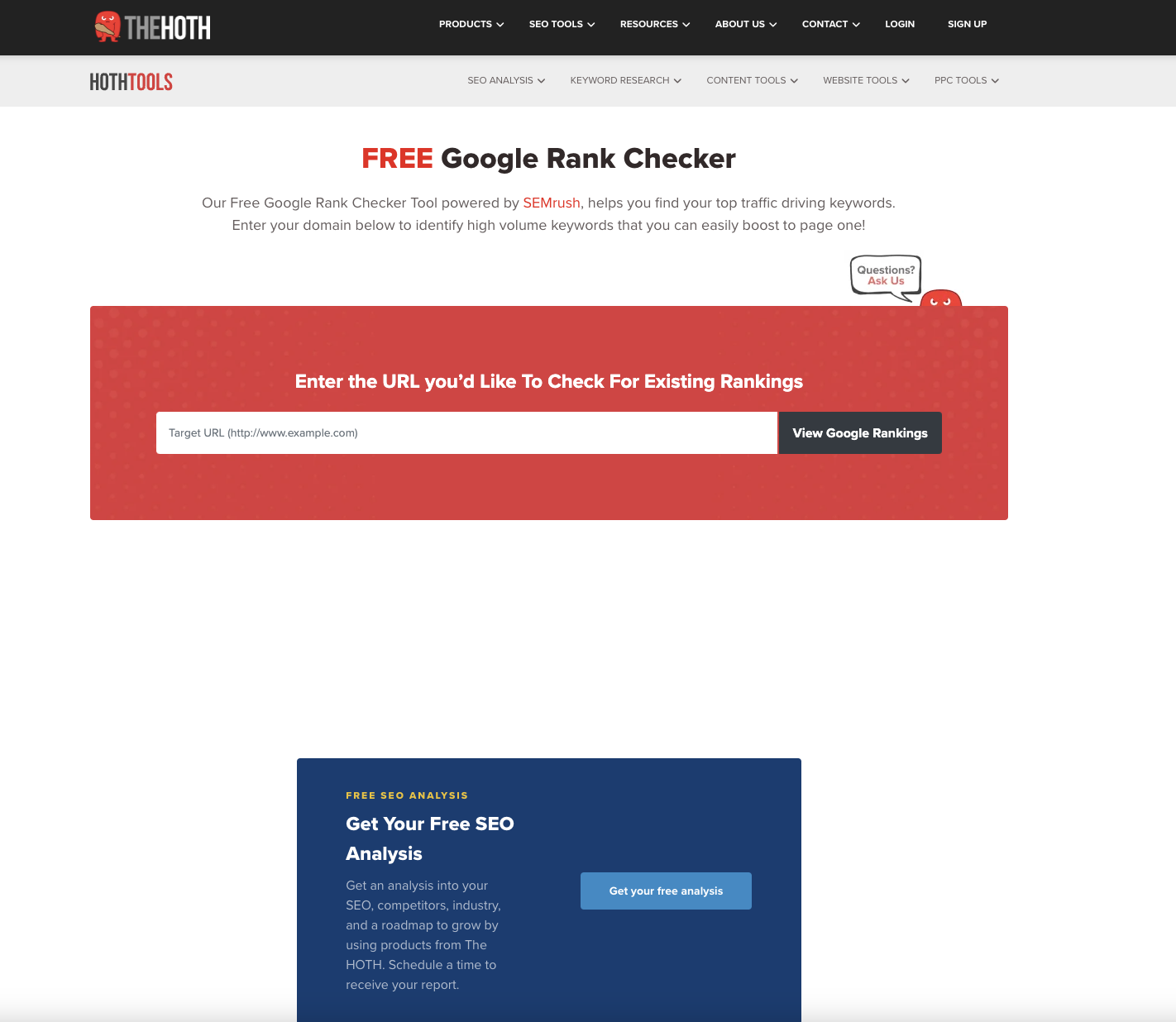
- How can I check my website’s ranking in search results?
What is website ranking, and how do search engines determine it?
Website ranking is the position a webpage appears in search results for a particular query. Search engines determine rankings by assessing how well a page matches the searcher’s intent and how useful, reliable, and accessible it appears. They consider many signals, including the page’s content and relevance, site structure, mobile usability, loading performance, and links from other websites. Rankings can vary by search engine, location, device, and time, and no single factor guarantees a top position.
How can I improve my website’s ranking on Google?
To improve your website’s ranking on Google, create helpful, original content that directly answers what your audience is searching for, and organize it with clear titles and headings. Make sure your site is mobile-friendly, secure, fast, and easy for search engines to crawl. Use relevant keywords naturally, link related pages within your site, and build trust with accurate information and reputable references. Track impressions, clicks, and indexing issues in Google Search Console, then update pages based on what you learn. Results take time, and no one can guarantee a specific ranking.
How long does it take to improve a website’s search ranking?
Improving a website’s search ranking can take anywhere from a few weeks to several months, and there’s no guaranteed timeline. The pace depends on factors such as your site’s current condition, the competitiveness of your target searches, the quality of your content, and how quickly search engines discover and reassess your changes. Technical fixes may show results sooner, while building authority and improving visibility in competitive topics often takes longer. Track impressions, clicks, and relevant rankings over time, and focus on consistent improvements rather than expecting an overnight change.
Why has my website’s ranking dropped?
A website’s ranking can drop for several reasons, including changes to search engine algorithms, increased competition, outdated or less helpful content, technical problems that affect crawling or page experience, or lost links from other sites. Rankings can also vary by search term, location, and device, so a short-term change may not indicate a lasting problem. Check Google Search Console for changes in impressions, clicks, indexing, or reported issues, then review affected pages for accuracy, relevance, and usability. Focus on identifying patterns and making helpful improvements rather than reacting to a single ranking fluctuation.
How can I check my website’s ranking in search results?
You can check your website’s ranking by using tools such as Google Search Console, which shows the search queries your pages appear for, along with impressions, clicks, and average position. SEO platforms can provide additional keyword and competitor tracking, while manual searches may offer a quick snapshot—but results can vary by location, device, and personalization. For a clearer picture, track the same keywords and pages over time, and consider traffic and conversions as well as position.