
How to Find Your Website Ranking
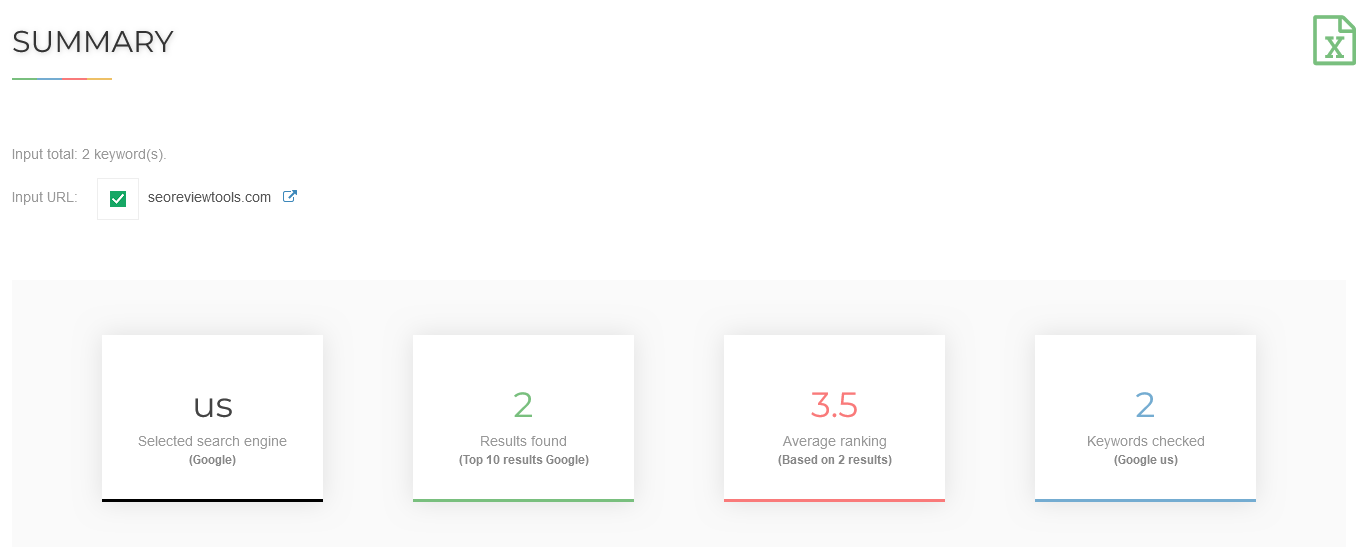
Knowing where your website appears in search results can help you understand whether your SEO efforts are working. A website’s ranking is its position on a search engine results page (SERP) for a particular search query. Because a site can rank differently for different keywords, locations, and devices, there is no single ranking that tells the whole story.
Here are practical ways to check your website rankings and make sense of what you find.
What Does Website Ranking Mean?
When someone searches for a phrase such as “home renovation contractor,” search engines display a list of results they believe are relevant. If your page appears near the top, it has a higher ranking for that query. Rankings can vary by page: your homepage might rank for your business name, while a blog post ranks for a related question.
It is also useful to distinguish organic rankings from paid placements. Organic results appear because a search engine considers them relevant, while paid ads are displayed through advertising campaigns. A strong organic ranking can bring visitors without paying for each click, although earning and maintaining that visibility takes time.
Use Google Search Console
Google Search Console is a free tool that shows how your site performs in Google Search. After verifying ownership of your website, open the Performance report to review:
- Queries: The searches that led people to your site.
- Clicks: How many times searchers clicked a result from your site.
- Impressions: How often a result from your site appeared in search results.
- Average position: The average position of your site’s top result for a query or set of queries.
Filter the report by page, query, country, device, or date range to get a more specific view. For example, you can check which searches bring traffic to a particular service page or compare performance on mobile and desktop.
Keep in mind that average position is not a fixed rank. It summarizes many impressions, and the displayed position may differ based on the searcher and the search context.
Check Rankings With an SEO Tool
SEO platforms can track selected keywords over time. Many let you choose a location, language, and device, then report how your pages appear for those searches. Common features include ranking history, competitor comparisons, keyword suggestions, and alerts when positions change.
When choosing a rank-tracking tool, look for clear details about how often rankings are updated and how locations are defined. A ranking reported for a city may not match one reported for an entire country. If you serve a local area, select a tool that supports location-specific tracking.
Search Manually—With Caution
You can search for a keyword in a browser to see whether your site appears, but a manual check is only a rough snapshot. Search results can be influenced by location, language, device, search history, and other factors. The same query may produce different results for two people or even for the same person at different times.
If you do a manual check, use a private browsing window, make sure the location setting is appropriate, and note the date and device. Avoid treating one search as a definitive measure of your site’s performance.
Track the Right Keywords
A useful ranking report starts with relevant keywords. Focus on searches that reflect what your audience wants and what your business or publication offers. Include a mix of:
- Brand terms: Your business, product, or publication name.
- Service or product terms: The offerings you want people to find.
- Informational queries: Questions your content can answer.
- Local searches: Terms that include a city, neighborhood, or “near me” intent.
Do not track every possible phrase. A focused list of relevant keywords is easier to monitor and more likely to provide useful insights.
Look Beyond Position
A ranking number is only one part of search performance. A page in a lower position may still attract valuable visitors, while a high-ranking page may receive few clicks if its title and description do not match what searchers need.
Review rankings alongside impressions, clicks, click-through rate, and conversions. These measures can help answer broader questions: Are more people seeing your pages? Are they clicking? Do they take meaningful actions after visiting?
How Often Should You Check Rankings?
For most websites, reviewing performance weekly or monthly is enough to identify trends. Rankings can fluctuate from day to day, so reacting to every small change may lead to unnecessary edits. Compare consistent date ranges and look for sustained changes rather than isolated movements.
After updating an important page, allow time for search engines to recrawl and reassess it. Then compare its performance over an appropriate period, keeping in mind that results depend on competition, search demand, and many other factors.
What to Do When Rankings Drop
A decline does not always mean something is wrong with your website. First, check whether the change affects one keyword, one page, or the entire site. Then consider possible causes:
- Search demand or seasonal interest may have changed.
- Competitors may have published stronger or more current content.
- Your page may no longer match the searcher’s intent as well as other results.
- Technical issues may be preventing search engines from crawling or indexing the page.
- A website update may have changed links, page addresses, or content.
Use Search Console to check for indexing or security issues, review recent site changes, and compare the page with current search results. Improve the content where it genuinely helps visitors, and avoid making drastic changes based on a brief ranking dip.
Find Your Website Ranking and Use the Results
To find your website ranking, start with Google Search Console for real search-performance data, then consider a rank-tracking tool if you need ongoing, location-specific keyword monitoring. Treat rankings as useful indicators rather than guarantees, and pair them with traffic and conversion data.
Regular, consistent checks can show which pages are gaining visibility, where there are opportunities to improve, and whether your SEO work is reaching the right audience.
6 Benefits of Tracking Your Website’s Search Rankings
- Track SEO performance over time.
- Find which keywords bring visibility.
- Spot ranking drops early.
- Discover opportunities to improve content.
- Compare visibility across locations and devices.
- Measure progress toward organic traffic goals.
7 Drawbacks of Tracking Your Website’s Search Rankings
- Rankings vary by location.
- Results differ by device.
- Personalization affects search results.
- Rank-tracking tools may cost money.
- Data can update slowly.
- A high rank doesn’t guarantee clicks.
- Rankings don’t measure conversions.
Track SEO performance over time.
Tracking your website rankings over time helps you see whether your SEO efforts are making a difference. By monitoring how your pages perform for relevant keywords, you can spot steady improvements, identify sudden drops, and understand which content or updates may be influencing search visibility. This ongoing insight makes it easier to adjust your strategy based on trends rather than relying on a one-time ranking check.
Find which keywords bring visibility.
Finding your website ranking helps you identify which keywords are bringing your pages visibility in search results. By seeing the queries that generate impressions and clicks, you can understand what your audience is looking for, spot topics that are gaining traction, and focus your content on searches that are relevant to your goals. These insights can also reveal opportunities to improve pages that appear in search results but aren’t attracting many visitors.
Spot ranking drops early.
Spotting ranking drops early gives you a chance to investigate and respond before they cause a significant decline in website traffic. Regularly monitoring your search positions can reveal when important pages or keywords start slipping, helping you check for technical issues, outdated content, changes in search demand, or stronger competition. By addressing the cause promptly, you may be able to protect your visibility and keep more potential visitors finding your site.
Discover opportunities to improve content.
Finding your website ranking can reveal which pages are close to appearing higher in search results—and where a content refresh may help. If a page earns impressions but few clicks, consider improving its title and description to better match what people are searching for. If it ranks for relevant queries but attracts little engagement, make the content clearer, more useful, or more comprehensive. These insights help you focus updates on pages with real potential, rather than guessing what to improve.
Compare visibility across locations and devices.
Comparing website rankings across locations and devices shows where your site is most visible—and where it may need improvement. A page might rank well on desktop in one city but appear lower on mobile or in another region. Tracking these differences helps you tailor local content, improve the mobile experience, and focus SEO efforts on the audiences and areas that matter most.
Measure progress toward organic traffic goals.
Finding your website rankings helps you measure progress toward your organic traffic goals. By tracking how key pages perform for relevant search terms over time, you can see whether your SEO efforts are improving visibility and attracting more potential visitors. Pair ranking data with impressions, clicks, and organic visits to understand what’s working and where your strategy may need adjustment.
Rankings vary by location.
One drawback of checking website rankings is that they can vary by location. Search engines may show different results depending on where a person is searching, so your site could rank highly in one city but appear lower in another. This can make a single ranking check misleading, especially for businesses that serve multiple areas. For a more accurate picture, track rankings in the specific locations that matter to your audience.
Results differ by device.
Search rankings can differ by device, so a website may appear in a different position on a desktop computer than it does on a smartphone or tablet. Search engines may display results differently based on screen size, device-specific features, and the searcher’s context. This means a ranking check performed on only one device may not reflect what all visitors see, making it harder to measure your site’s overall visibility.
Personalization affects search results.
One drawback of checking website rankings is that search results are personalized. Search engines may adjust results based on a user’s location, search history, language, device, and other factors, so the position you see may not match what other people see. This can make manual rank checks unreliable and give you an incomplete picture of your site’s visibility. For a more consistent view, use tools such as Google Search Console or an SEO rank tracker, and compare results across relevant locations and devices.
Rank-tracking tools may cost money.
One drawback of using rank-tracking tools is that many charge a subscription fee, especially for features such as frequent updates, local tracking, and competitor comparisons. These costs can add up for small businesses, freelancers, or website owners who only need occasional ranking checks. Free tools may cover basic needs, but they often limit the number of keywords or reports available.
Data can update slowly.
One downside of checking website rankings is that the data can update slowly. Search engines and ranking tools may take time to collect and process new information, so recent changes to your site might not appear in reports right away. This delay can make it harder to judge whether an SEO update is working, so it’s best to look for trends over time rather than expect immediate results.
A high rank doesn’t guarantee clicks.
A high search ranking doesn’t guarantee clicks. People may skip your result if the title or description doesn’t match what they’re looking for, another listing appears more compelling, or search features such as maps and featured snippets answer their question directly. That’s why it’s important to evaluate rankings alongside impressions, click-through rates, and website traffic.
Rankings don’t measure conversions.
Website rankings show where a page appears in search results, but they don’t reveal whether visitors take meaningful actions after clicking. A page can rank highly and attract plenty of traffic yet generate few purchases, inquiries, or sign-ups. To understand whether your SEO is supporting business goals, track rankings alongside conversions and other engagement metrics.