
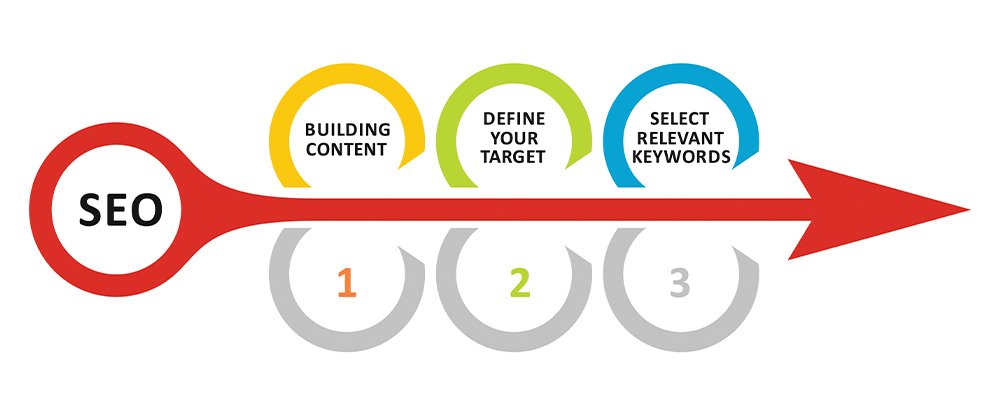
How to Improve Your Site Ranking
Improving your site’s ranking in search results takes more than adding keywords to a page. Search engines aim to show people useful, trustworthy results that match what they are looking for. A strong SEO strategy makes your site easier to find, understand, and use—and gives visitors a good reason to stay.
There is no guaranteed shortcut to the top of search results. Rankings can change over time, and results depend on many factors. The steps below can help build a solid foundation for sustainable improvement.
Understand What Your Audience Is Searching For
Start by learning what your potential visitors need. Consider the questions they ask, the problems they want to solve, and the language they use when searching. Keyword research tools can help reveal search terms, but customer conversations, support requests, and sales inquiries are valuable sources too.
Choose one main topic for each page. A page about a specific service, for example, should not also try to cover every related topic in depth. Focused pages are easier for readers to navigate and for search engines to interpret.
Create Helpful, Original Content
Write for people first. A useful page answers the reader’s question clearly, offers relevant detail, and helps them decide what to do next. Avoid publishing thin pages that repeat information already available elsewhere or adding keywords where they do not fit naturally.
Before creating a page, review the questions a visitor might have and make sure the content addresses them. Use examples, instructions, comparisons, or original insights where they add value. Keep information accurate and update it when details change.
Use Clear Titles and Headings
Each important page should have a descriptive title that explains what it is about. Page titles may appear as clickable links in search results, so make them specific and appealing without making promises the page cannot deliver.
Use headings to organize the content into logical sections. A clear main heading and descriptive subheadings help visitors scan the page and understand its structure. Write naturally rather than forcing the same search phrase into every heading.
Make Your Site Easy to Use
A good visitor experience supports your overall SEO efforts. Make sure your site is easy to navigate, works well on mobile devices, and presents important information in a readable format. Use descriptive link text so visitors know where a link will take them.
Pay attention to page speed, especially on mobile. Large image files, unnecessary scripts, and poorly configured hosting can slow a site down. Compress images, remove features you do not need, and test important pages on different devices and connections.
Fix Technical SEO Issues
Technical problems can make it harder for search engines to discover or understand your pages. Check that important pages can be crawled and indexed, that links work, and that your site uses HTTPS. Review your XML sitemap and robots.txt file to make sure they are configured appropriately.
Also look for duplicate pages, broken links, redirect chains, and pages that return errors. Tools such as Google Search Console can help identify indexing and crawling issues. Resolve problems carefully, especially when changing URLs, so useful pages and links are not lost.
Build Relevant, Trustworthy Links
Links from other websites can help people discover your content and provide context about your site. Focus on earning links by publishing genuinely useful resources, building relationships in your industry, and sharing original research or expertise.
Avoid buying links or using schemes designed to manipulate rankings. These tactics can create risk and rarely provide lasting value. The goal is to earn relevant attention, not to collect as many links as possible.
Strengthen Local Visibility When Relevant
If your business serves a particular area, make your location and service details clear on your website. Keep your business name, address, and phone number consistent wherever they appear. Claim and maintain your business profile on relevant platforms, and encourage customers to leave honest reviews.
Local SEO is most effective when the information is accurate and genuinely useful to people in the area. Do not create misleading location pages for places where your business does not operate.
Measure Results and Keep Improving
SEO is an ongoing process. Use analytics and search performance tools to track impressions, clicks, rankings, and conversions. Look beyond rankings alone: a page that attracts visitors who take meaningful action may be more valuable than one that receives a high position for an irrelevant search.
When a page underperforms, investigate why. The topic may not match the audience’s intent, the content may need more depth, or technical issues may be limiting visibility. Make focused updates and give search engines time to reflect them in results.
Build Rankings With Consistent, Useful Work
To improve your site ranking, make your content relevant, your website easy to use, and your technical foundation reliable. Then measure what happens and refine your approach. Consistent improvements are more sustainable than shortcuts—and they can create a better experience for both visitors and search engines.
9 SEO Tips to Improve Your Website’s Rankings
- Create helpful, original content for your audience.
- Use relevant keywords naturally in titles and headings.
- Make pages fast on mobile and desktop.
- Ensure your site works well on mobile devices.
- Write clear, descriptive page titles and meta descriptions.
- Use descriptive alt text for meaningful images.
- Link related pages with clear internal links.
- Earn quality backlinks through useful content and outreach.
- Fix broken links and keep content up to date.
Create helpful, original content for your audience.
Create helpful, original content that addresses your audience’s real questions and needs. Share accurate information, practical advice, and insights that readers can’t easily find elsewhere. When your pages provide genuine value and are easy to understand, visitors are more likely to trust your site, spend time exploring it, and return—signals that can support stronger search visibility over time.
Use relevant keywords naturally in titles and headings.
Use relevant keywords naturally in your page titles and headings to help visitors and search engines understand what each page is about. Choose terms that reflect the topic and match the language your audience uses, but avoid forcing keywords into every heading. Clear, descriptive wording makes content easier to scan and can attract more relevant clicks from search results.
Make pages fast on mobile and desktop.
Make your pages fast on both mobile and desktop to keep visitors engaged and make your site easier to use. Compress large images, reduce unnecessary scripts and plugins, and choose reliable hosting to improve load times. Test your pages regularly across different devices and connections, then fix slow-loading elements. A faster site helps visitors find what they need with less frustration and supports a stronger overall SEO strategy.
Ensure your site works well on mobile devices.
Make sure your site works well on mobile devices, where many people browse and search. Use a responsive design that adjusts to different screen sizes, keeps text easy to read, and makes buttons and links simple to tap. Check that pages load quickly and that visitors can find key information without excessive scrolling or zooming. A smooth mobile experience helps people use your site and supports your efforts to improve search visibility.
Write clear, descriptive page titles and meta descriptions.
Write clear, descriptive page titles and meta descriptions to help people understand what each page offers before they visit. Include the page’s main topic naturally, keep the wording specific, and make each title and description unique. A compelling, accurate description can encourage more searchers to click, while avoiding vague language and keyword stuffing helps your site look trustworthy. Search engines may rewrite snippets, so focus on making your page content clear and useful, too.
Use descriptive alt text for meaningful images.
Use descriptive alt text for meaningful images so visitors using screen readers can understand what each image shows and why it matters. Keep the wording concise and specific—for example, describe the product, action, or information in the image rather than adding a string of keywords. Helpful alt text improves accessibility and gives search engines additional context about your page’s content, which can support your overall SEO efforts. For decorative images that add no useful information, use empty alt text so assistive technology can skip them.
Link related pages with clear internal links.
Link related pages with clear internal links to help visitors find useful information and move naturally through your site. Use descriptive link text that tells readers what they’ll find, such as “learn how to optimize product pages,” instead of vague phrases like “click here.” A thoughtful internal linking structure also helps search engines discover your pages and understand how their topics connect. Focus on links that genuinely help readers, and check them regularly to make sure they still work.
Earn quality backlinks through useful content and outreach.
Earn quality backlinks by creating content that other websites genuinely want to reference, such as original research, practical guides, or helpful tools. Then reach out to relevant publishers, organizations, and industry experts to share the resource when it may benefit their audience. Focus on relevance and value rather than chasing a high number of links, and avoid paid or manipulative link schemes that can put your site’s search visibility at risk.
Fix broken links and keep content up to date.
Fix broken links and keep your content up to date to give visitors a better experience and help search engines understand that your site is well maintained. Regularly check for links that lead to error pages, replace them with relevant resources, or remove them when needed. Review older articles, statistics, product details, and instructions, then update anything that’s outdated. These simple maintenance tasks can make your site more useful, trustworthy, and easier to navigate.