
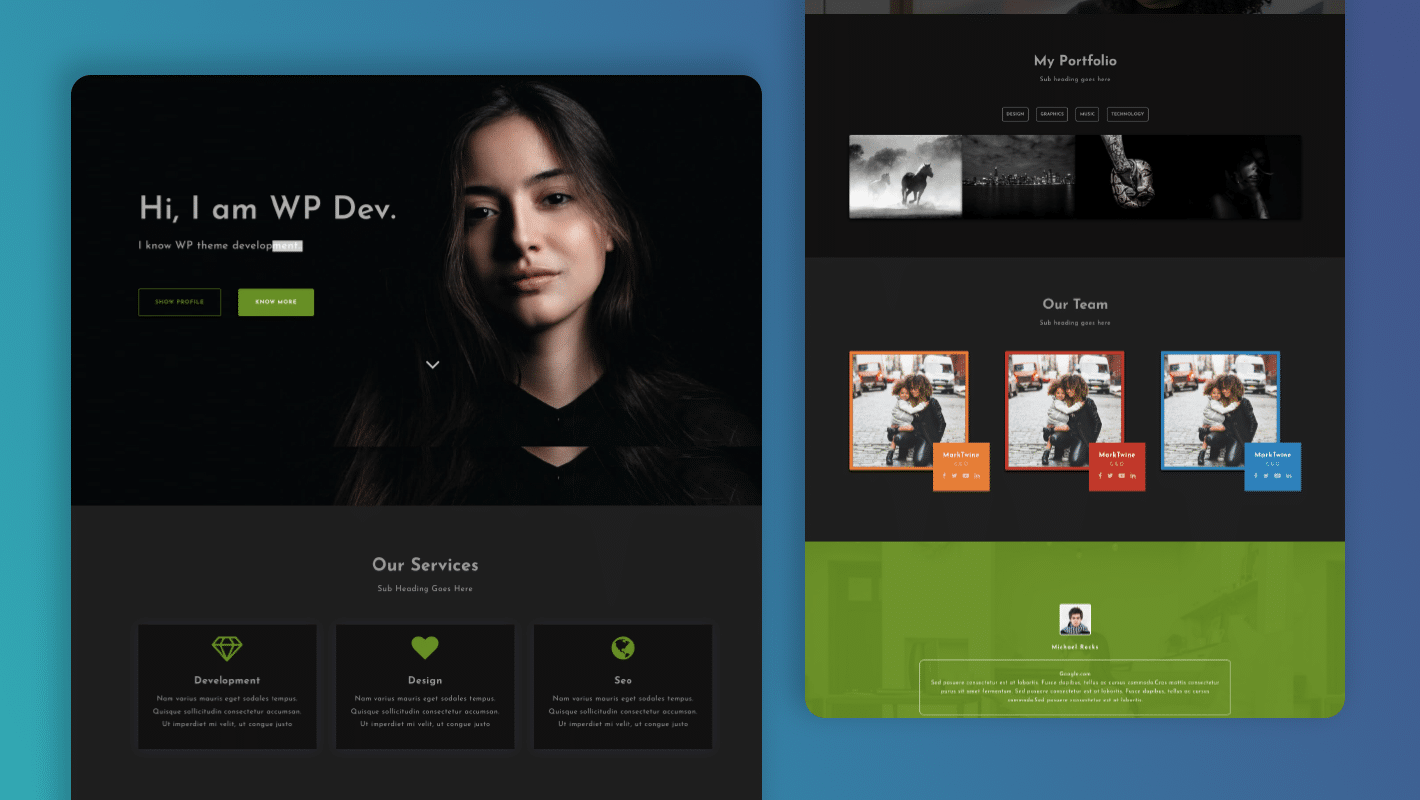
The Importance of a Design Portfolio Website
Having a design portfolio website is essential for any designer looking to showcase their work and attract potential clients. A well-designed portfolio not only demonstrates your skills and creativity but also serves as a powerful marketing tool to help you stand out in a competitive industry.
Showcase Your Work
Your design portfolio website is like a digital gallery where you can display your best projects, designs, and creations. By showcasing your work in an organized and visually appealing manner, you can effectively highlight your style, expertise, and the range of services you offer.
Build Credibility
A professional design portfolio website helps establish credibility and trust with potential clients. It shows that you are serious about your craft and have the experience and skills necessary to deliver high-quality work. Including client testimonials, case studies, and project descriptions can further enhance your credibility.
Attract Potential Clients
Having an online presence through a design portfolio website makes it easier for potential clients to find you and learn more about your services. With the right SEO strategies and social media integration, you can increase visibility and attract more leads to grow your client base.
Stand Out from the Competition
In a saturated market, having a unique and well-designed portfolio website can help you differentiate yourself from competitors. Use custom graphics, animations, interactive elements, and other creative touches to showcase your personality and make a lasting impression on visitors.
Conclusion
A design portfolio website is an indispensable tool for designers looking to build their brand, attract clients, and showcase their talent. Invest time in creating a visually stunning and user-friendly online portfolio that reflects your style and expertise to leave a lasting impact on potential clients.
Top 5 FAQs About Creating an Effective Design Portfolio Website
- 1. What should I include in my design portfolio website?
- 2. How can I make my design portfolio website stand out?
- 3. Do I need coding skills to create a design portfolio website?
- 4. Should I use a template or create a custom design for my portfolio website?
- 5. How important is mobile responsiveness for a design portfolio website?
1. What should I include in my design portfolio website?
When creating your design portfolio website, it is crucial to include a diverse range of your best work that showcases your skills and expertise. Your portfolio should feature a variety of projects that highlight different styles, techniques, and mediums to demonstrate the depth and breadth of your capabilities. Include a brief introduction about yourself, your design philosophy, and any relevant experience or qualifications. Providing clear project descriptions, including client objectives, your role in the project, and the outcome achieved, can help potential clients understand your creative process and problem-solving skills. Don’t forget to include contact information or a call-to-action for visitors to easily get in touch with you for inquiries or collaborations.
2. How can I make my design portfolio website stand out?
To make your design portfolio website stand out, focus on creating a visually engaging and user-friendly experience that reflects your unique style and personality. Incorporate high-quality images of your work, use a clean and modern design layout, and ensure easy navigation for visitors to explore your projects seamlessly. Consider adding interactive elements, such as animations or sliders, to showcase your creativity. Highlight your strengths and specialties prominently on the homepage and include client testimonials or case studies to build credibility. Utilize SEO best practices to improve visibility and attract more traffic to your site. By paying attention to detail and infusing creativity into every aspect of your portfolio website, you can effectively differentiate yourself from competitors and leave a lasting impression on potential clients.
3. Do I need coding skills to create a design portfolio website?
When it comes to creating a design portfolio website, the need for coding skills largely depends on the approach you choose. While having coding knowledge can be beneficial for customizing and fine-tuning your website, it is not always a requirement. Many website builders and content management systems offer user-friendly interfaces and templates that allow you to create a professional-looking portfolio without extensive coding experience. However, having at least a basic understanding of HTML, CSS, and web design principles can help you make more personalized adjustments to your site and showcase your unique style effectively.
4. Should I use a template or create a custom design for my portfolio website?
When deciding whether to use a template or create a custom design for your portfolio website, it ultimately comes down to your specific needs and goals. Using a template can be a quick and cost-effective way to get your portfolio up and running, especially if you’re looking for a simple and straightforward design. Templates offer pre-designed layouts and styles that you can easily customize to showcase your work. On the other hand, opting for a custom design allows you to create a unique and tailored website that truly reflects your brand identity and sets you apart from the competition. Custom designs offer more flexibility in terms of layout, functionality, and branding elements, but they may require more time and resources to develop. Consider your budget, timeline, branding requirements, and desired level of customization when making this decision for your design portfolio website.
5. How important is mobile responsiveness for a design portfolio website?
Mobile responsiveness is crucial for a design portfolio website as more and more users access websites on their smartphones and tablets. Ensuring that your portfolio is optimized for mobile devices not only provides a better user experience but also helps you reach a wider audience. A responsive design adapts to different screen sizes and resolutions, allowing visitors to easily navigate your portfolio, view your work, and contact you on any device. By prioritizing mobile responsiveness, you demonstrate your commitment to accessibility and user satisfaction, ultimately enhancing the overall effectiveness of your design portfolio website.