
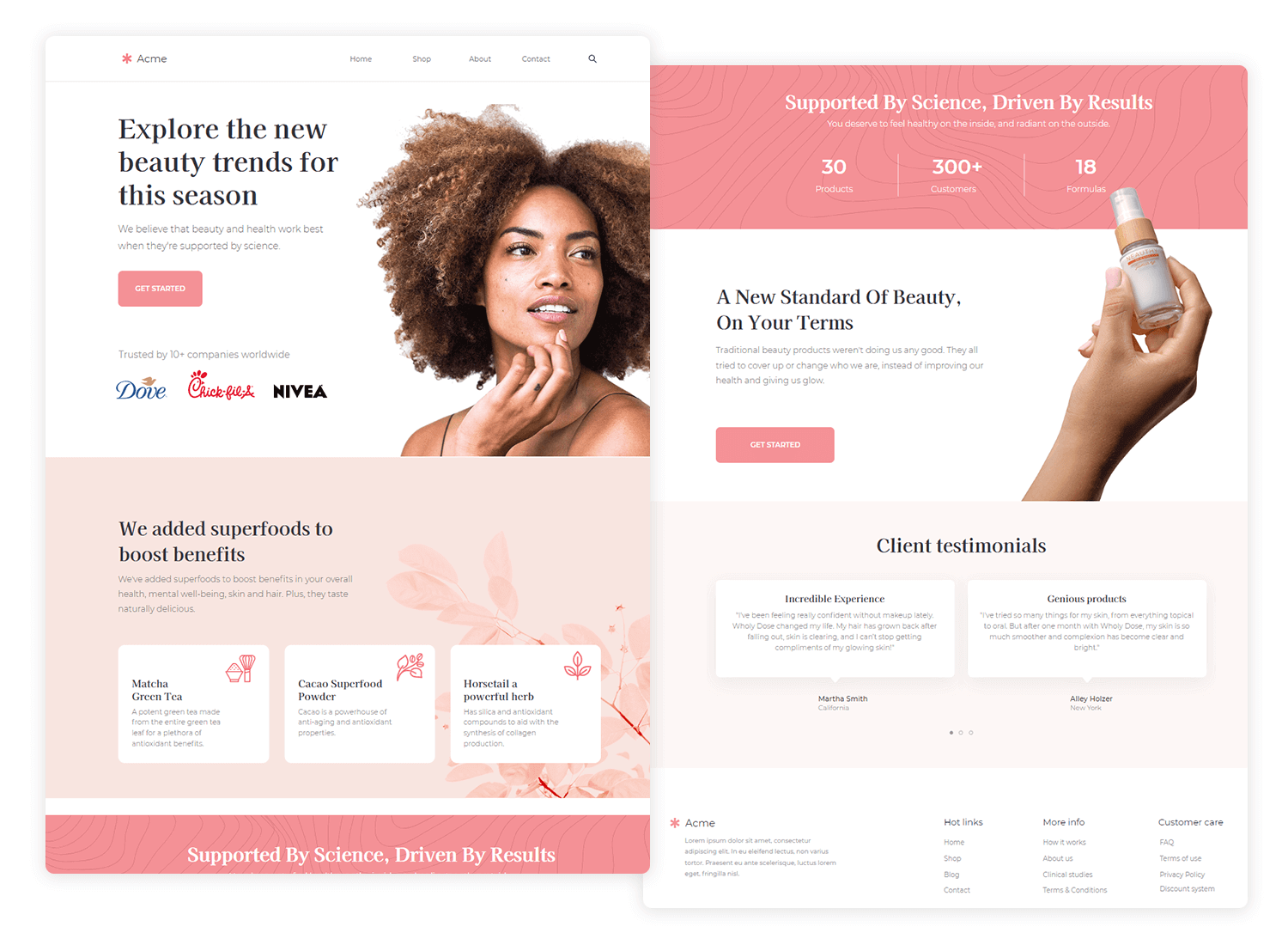
A landing page is a crucial element of any website, designed specifically to convert visitors into leads or customers. It is the first page that users see when they click on a link from an advertisement, search engine result, or social media post. A well-designed landing page can make a significant impact on your business by capturing the attention of visitors and encouraging them to take a specific action.
When creating a web design landing page, there are several key elements to consider:
- Clear Call-to-Action (CTA): Your landing page should have a clear and compelling CTA that tells visitors what you want them to do next. Whether it’s signing up for a newsletter, downloading an e-book, or making a purchase, the CTA should be prominently displayed and easy to find.
- Engaging Headline: The headline of your landing page should grab the visitor’s attention and clearly communicate the value proposition of your offer. Keep it concise and focused on the benefits that visitors will receive by taking action.
- Compelling Visuals: Use high-quality images or videos that are relevant to your offer and help convey your message visually. Visual content can help engage visitors and make your landing page more memorable.
- Social Proof: Including testimonials, reviews, or case studies on your landing page can help build trust with visitors and demonstrate the value of your offer. Social proof can reassure potential customers that they are making the right decision by taking action.
- Mobile Responsiveness: With more people accessing websites on mobile devices, it’s essential that your landing page is optimized for mobile viewing. Ensure that your design is responsive and looks great on all screen sizes.
- Minimalist Design: Keep your landing page design clean and clutter-free to minimize distractions and focus visitors’ attention on the CTA. Use white space effectively to create a visually appealing layout.
By incorporating these key elements into your web design landing page, you can create a compelling user experience that drives conversions and helps achieve your business goals. Remember to test different elements of your landing page to optimize performance and ensure maximum effectiveness in converting visitors into leads or customers.
8 Key Benefits of a Well-Designed Landing Page for Your Business Success
- 1. Increases Conversion Rates
- 2. Captures Leads
- 3. Improves User Experience
- 4. Enhances Brand Visibility
- 5. Enables Targeted Marketing
- 6. Provides Valuable Data Insights
- 7. Supports SEO Efforts
- 8. Facilitates A/B Testing
Top 3 Web Design Pitfalls: High Bounce Rates, Overwhelming Design, and Poor Optimization
1. Increases Conversion Rates
One of the key benefits of a well-designed landing page is its ability to increase conversion rates. By strategically guiding visitors towards a specific action, such as signing up for a newsletter or making a purchase, a landing page can effectively prompt users to take the desired steps. With clear calls-to-action, engaging visuals, and compelling copy, a thoughtfully crafted landing page can create a seamless user experience that motivates visitors to convert. By optimizing the design and layout of the landing page to focus on driving conversions, businesses can see a substantial improvement in their conversion rates and ultimately achieve their marketing objectives more effectively.
2. Captures Leads
One of the key benefits of a well-designed landing page is its ability to capture leads effectively. By strategically placing lead capture forms or opt-in boxes on the page, you can encourage visitors to provide their contact information in exchange for valuable content or offers. This allows you to build your email list or customer database, giving you the opportunity to nurture these leads and guide them through the sales funnel. With a targeted approach to capturing leads, landing pages can be powerful assets in growing your audience and converting visitors into potential customers.
3. Improves User Experience
By improving user experience, a focused landing page plays a vital role in enhancing the overall effectiveness of a website. By streamlining the user journey and presenting information in a clear and organized manner, visitors are more likely to engage with the content and take desired actions. This seamless navigation not only increases user satisfaction but also boosts conversion rates as visitors can easily find the information they need and are guided towards the intended call-to-action. Ultimately, an improved user experience leads to higher engagement levels and better outcomes for both users and businesses alike.
4. Enhances Brand Visibility
One significant benefit of utilizing landing pages in web design is that they enhance brand visibility. By reinforcing brand identity and messaging, landing pages play a crucial role in creating a cohesive online presence for your business. Consistent branding across all touchpoints, including landing pages, helps to establish brand recognition and build trust with visitors. This increased visibility not only strengthens your brand’s image but also contributes to a more memorable and impactful online experience for users.
5. Enables Targeted Marketing
One significant advantage of web design landing pages is that they enable targeted marketing strategies. By creating dedicated landing pages for specific audiences or promotions, businesses can tailor their campaigns to be more relevant and engaging. This targeted approach allows companies to deliver personalized messages and offers that resonate with their intended audience, ultimately increasing the likelihood of conversion and driving higher engagement levels. By leveraging landing pages for targeted marketing efforts, businesses can effectively reach the right people with the right message at the right time, maximizing the impact of their marketing initiatives.
6. Provides Valuable Data Insights
One significant advantage of a web design landing page is that it provides valuable data insights. By monitoring and analyzing visitor behavior on landing pages, businesses can gain valuable information about user interactions, engagement levels, and conversion rates. This data allows for informed decision-making to optimize performance, refine marketing strategies, and enhance user experience. By leveraging these insights, businesses can make data-driven improvements to their landing pages, resulting in more effective campaigns and better overall outcomes.
7. Supports SEO Efforts
One of the key benefits of a well-designed landing page is that it supports SEO efforts. By optimizing your landing page with relevant keywords, meta tags, and high-quality content, you can improve your search engine rankings and drive organic traffic to your website. Search engines like Google prioritize websites that provide valuable and relevant information to users, and a well-optimized landing page can help you attract more visitors who are actively searching for the products or services you offer. By focusing on SEO best practices in your landing page design, you can increase visibility in search results and ultimately drive more qualified leads to your website.
8. Facilitates A/B Testing
One significant advantage of web design landing pages is that they facilitate A/B testing, enabling businesses to experiment with various elements like headlines, CTAs, and visuals to determine which ones resonate most effectively with their audience. By conducting A/B tests on landing pages, companies can gather valuable insights into visitor behavior and preferences, ultimately optimizing their campaigns for better engagement and conversion rates. This iterative process of testing and refining helps businesses make data-driven decisions to enhance the overall performance of their online marketing efforts.
High bounce rate
A significant con of a web design landing page is the potential for a high bounce rate. When visitors find a landing page that is not engaging or relevant to their needs, they are more likely to leave without taking any action. This can be detrimental to the success of your website as a high bounce rate indicates that visitors are not finding what they are looking for, leading to missed opportunities for conversions. To combat this issue, it is essential to ensure that your landing page is designed with clear and compelling content, a strong call-to-action, and relevant information that resonates with your target audience.
Overwhelming design
One significant con of web design landing pages is the risk of overwhelming design. When a landing page is cluttered or overly complex, it can create confusion for visitors and hinder their ability to grasp the purpose of the page or locate the Call-to-Action (CTA) effectively. An overwhelming design can distract users from the main message and make it challenging for them to navigate the page, ultimately leading to a poor user experience and lower conversion rates. It is crucial for designers to strike a balance between creativity and simplicity to ensure that the landing page effectively communicates its message and guides visitors towards taking the desired action.
Lack of optimization
One significant con of a web design landing page is the lack of optimization. When a landing page is not properly optimized for key factors such as SEO, mobile responsiveness, or load times, it can severely impact its performance in terms of conversions and user experience. Without SEO optimization, the landing page may not rank well in search engine results, limiting its visibility to potential visitors. Additionally, if the landing page is not mobile-responsive, it may lead to a poor user experience for mobile users, who make up a significant portion of website traffic. Slow load times can also deter visitors from engaging with the content and taking the desired action on the landing page. Overall, lack of optimization can hinder the effectiveness of a web design landing page and prevent it from achieving its intended goals.