
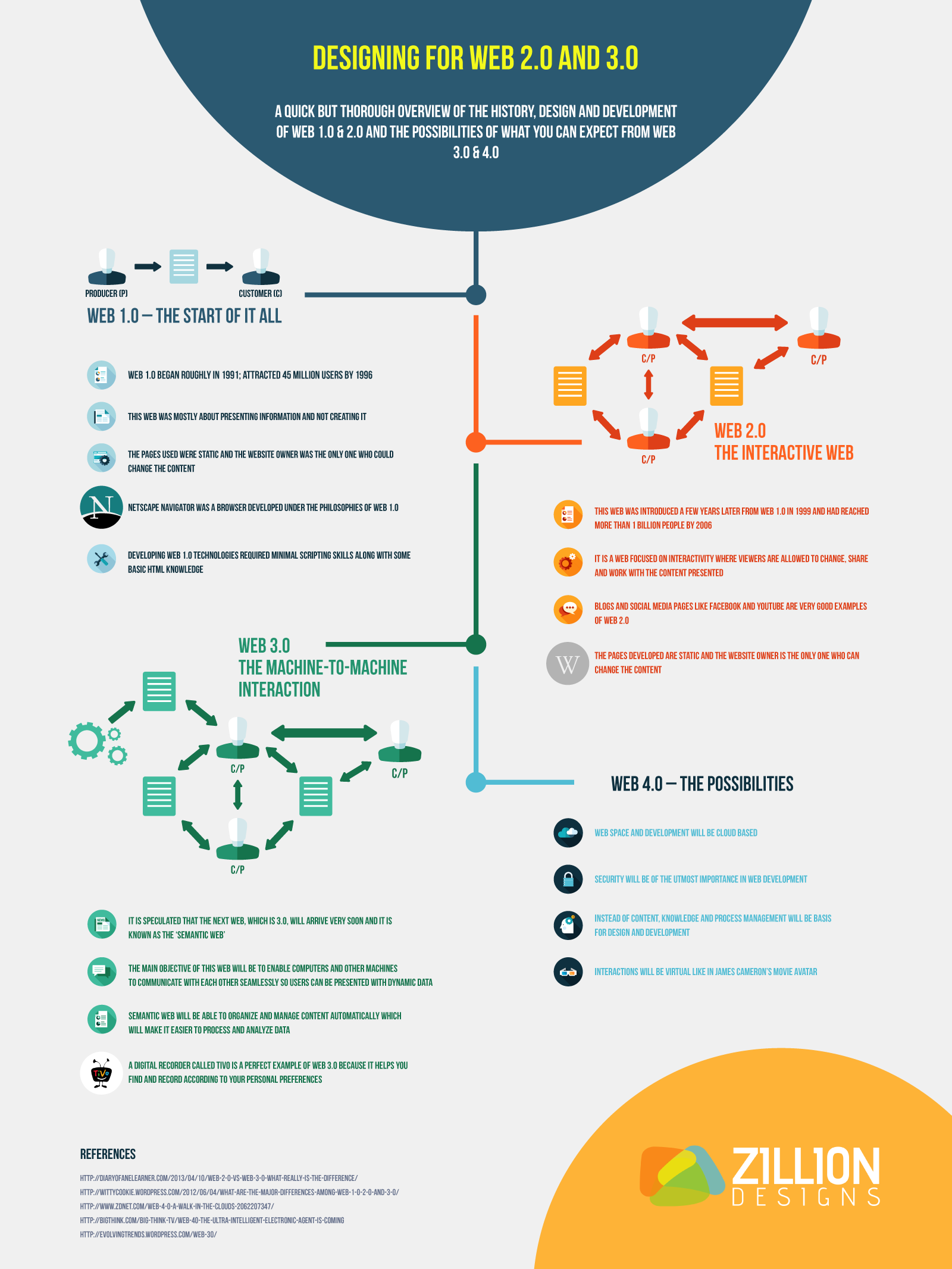
The Evolution of Web Design: Welcome to Web Design 3.0
Web design has come a long way since the early days of the internet. From simple text-based pages to interactive multimedia experiences, the evolution of web design has been nothing short of remarkable. And now, we are entering a new era: Web Design 3.0.
So, what exactly is Web Design 3.0? In simple terms, it’s the next phase of web design that focuses on user experience, interactivity, and personalization. Gone are the days of static websites with limited functionality. Web Design 3.0 is all about creating dynamic, engaging experiences that adapt to the needs and preferences of each individual user.
One key aspect of Web Design 3.0 is responsive design. With the increasing use of mobile devices to access the internet, it’s more important than ever for websites to be responsive and work seamlessly across all screen sizes and devices. This means designing websites that automatically adjust their layout and content based on the device being used, providing users with a consistent experience no matter how they access the site.
Another important trend in Web Design 3.0 is microinteractions. These are small animations or visual cues that provide feedback to users as they interact with a website. From subtle hover effects to animated buttons, microinteractions add an extra layer of interactivity and engagement that can make a website more intuitive and enjoyable to use.
Personalization is also a key component of Web Design 3.0. By using data analytics and user insights, designers can create customized experiences for each visitor based on their past interactions with the site. This can include personalized recommendations, tailored content suggestions, and even dynamically changing layouts based on user preferences.
In conclusion, Web Design 3.0 represents an exciting new chapter in the evolution of web design. By focusing on user experience, interactivity, and personalization, designers can create websites that are not only visually stunning but also highly functional and engaging for users. As technology continues to advance, we can expect even more innovations in web design that will further enhance the way we interact with the internet.
Exploring Web Design 3.0: Key Concepts, Technologies, and Best Practices
- What is Web Design 3.0 and how does it differ from previous versions?
- Why is responsive design important in Web Design 3.0?
- What are microinteractions and how do they enhance user experience in Web Design 3.0?
- How does personalization play a role in Web Design 3.0?
- What technologies are commonly used in Web Design 3.0?
- How can I make my website more interactive and engaging in the era of Web Design 3.0?
- Are there any best practices or guidelines to follow when designing for Web Design 3.0?
What is Web Design 3.0 and how does it differ from previous versions?
Web Design 3.0 represents the latest evolution in web design, focusing on user experience, interactivity, and personalization. Unlike previous versions of web design, Web Design 3.0 emphasizes responsive design to ensure websites work seamlessly across all devices. It also incorporates microinteractions to enhance user engagement through subtle animations and visual cues. Additionally, Web Design 3.0 leverages data analytics and user insights to deliver personalized experiences tailored to individual visitors. Overall, Web Design 3.0 sets a new standard for creating dynamic and engaging websites that adapt to the needs and preferences of users in a more personalized and interactive way than ever before.
Why is responsive design important in Web Design 3.0?
Responsive design is crucial in Web Design 3.0 due to the increasing diversity of devices used to access websites. With the rise of smartphones, tablets, and other mobile devices, users expect seamless and consistent experiences across all platforms. Responsive design ensures that websites adapt to different screen sizes and resolutions, providing optimal viewing and interaction for every user. In Web Design 3.0, where user experience is paramount, responsive design plays a vital role in creating accessible and user-friendly websites that cater to the needs of a diverse audience.
What are microinteractions and how do they enhance user experience in Web Design 3.0?
Microinteractions are small animations or visual cues that provide feedback to users as they interact with a website. In Web Design 3.0, microinteractions play a crucial role in enhancing the overall user experience by adding an extra layer of interactivity and engagement. These subtle design elements can make interactions more intuitive, guide users through the website, and create a more dynamic and enjoyable browsing experience. By incorporating microinteractions strategically throughout a website, designers can improve usability, communicate information effectively, and ultimately create a more engaging and user-friendly interface in Web Design 3.0.
How does personalization play a role in Web Design 3.0?
Personalization plays a crucial role in Web Design 3.0 by allowing websites to create tailored experiences for each user based on their preferences, behavior, and past interactions. By leveraging data analytics and user insights, designers can deliver content, recommendations, and interactions that are relevant and meaningful to individual visitors. This level of customization not only enhances user engagement but also improves user satisfaction and loyalty. In Web Design 3.0, personalization is a powerful tool that enables websites to connect with users on a more personal level, ultimately creating a more dynamic and interactive online experience.
What technologies are commonly used in Web Design 3.0?
In Web Design 3.0, several cutting-edge technologies are commonly used to create dynamic and interactive websites that prioritize user experience. Some of the key technologies include HTML5, CSS3, and JavaScript frameworks such as React and Angular. These technologies enable designers to build responsive layouts, implement animations and transitions, and create interactive elements that enhance user engagement. Additionally, tools like Sass for CSS preprocessing and Gulp for task automation are often utilized to streamline the development process and improve efficiency in creating modern web designs in the era of Web Design 3.0.
How can I make my website more interactive and engaging in the era of Web Design 3.0?
In the era of Web Design 3.0, making your website more interactive and engaging is crucial to stand out in the digital landscape. To achieve this, consider incorporating elements such as microinteractions, animations, and personalized content tailored to each user’s preferences. Implementing responsive design that adapts seamlessly across various devices will enhance the user experience. Additionally, integrating social media features, interactive forms, and multimedia content can further engage visitors and encourage interaction. By focusing on user experience and leveraging the latest design trends, you can create a dynamic and engaging website that resonates with your audience in Web Design 3.0.
Are there any best practices or guidelines to follow when designing for Web Design 3.0?
When designing for Web Design 3.0, there are several best practices and guidelines to keep in mind to ensure a successful user experience. It is essential to prioritize responsive design to ensure that websites function seamlessly across various devices and screen sizes. Incorporating microinteractions can enhance user engagement by providing subtle feedback and visual cues. Personalization is key in Web Design 3.0, so utilizing data analytics to create customized experiences based on user preferences is highly recommended. Additionally, focusing on accessibility, fast loading times, intuitive navigation, and high-quality content are all important factors to consider when designing for the next phase of web design.