
Understanding Your Website Rank in Google Search
Having a high rank in Google search results is crucial for driving traffic to your website and reaching your target audience. When users search for relevant keywords related to your website, you want to ensure that your site appears at the top of the search results. Here are some key factors to consider when assessing your website’s rank in Google:
Keywords
Keywords play a significant role in determining where your website ranks in Google search results. Make sure to incorporate relevant keywords throughout your website’s content, meta tags, and headings to improve your chances of ranking higher for those specific terms.
Content Quality
Google values high-quality, relevant content that provides value to users. Ensure that your website offers informative and engaging content that addresses the needs and interests of your target audience. Regularly updating your content can also help improve your website’s rank in search results.
Backlinks
Backlinks from reputable websites can significantly impact your website’s rank in Google search results. Aim to build a diverse portfolio of backlinks from authoritative sources within your industry to enhance the credibility and visibility of your website.
User Experience
User experience is another critical factor that Google considers when ranking websites. Ensure that your website is mobile-friendly, loads quickly, and offers a seamless browsing experience for visitors. Optimizing for user experience can help improve your website’s rank in search results.
Monitoring and Analysis
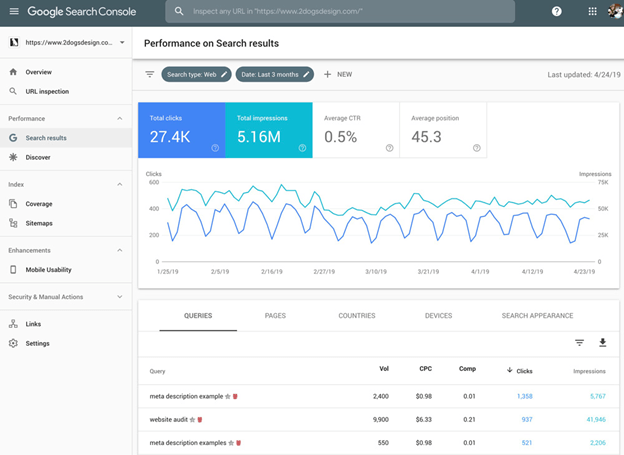
Regularly monitor and analyze your website’s performance in Google search results using tools like Google Analytics and Google Search Console. Pay attention to key metrics such as click-through rate, bounce rate, and keyword rankings to identify areas for improvement and optimize your website for better visibility.
In conclusion, understanding how Google ranks websites can help you optimize your site for better visibility and reach online audiences effectively. By focusing on keywords, content quality, backlinks, user experience, and ongoing monitoring, you can improve your website’s rank in Google search results and attract more organic traffic to your site.
Top Questions on Boosting and Checking Your Website’s Google Search Ranking
- How do I rank my personal website on Google?
- How do I get my website on top of Google search?
- How do I check my website ranking on Google?
- How do I check my website page ranking?
How do I rank my personal website on Google?
Ranking your personal website on Google requires a strategic approach to search engine optimization (SEO). Start by conducting keyword research to identify relevant terms that your target audience is searching for. Incorporate these keywords naturally throughout your website’s content, meta tags, and headings. Focus on creating high-quality, informative content that addresses the needs of your audience and encourages engagement. Building a strong backlink profile from reputable websites within your niche can also boost your website’s visibility in Google search results. Additionally, ensure that your website is mobile-friendly, loads quickly, and provides a seamless user experience. Regularly monitor and analyze your website’s performance using tools like Google Analytics to track key metrics and make data-driven optimizations. By implementing these strategies consistently, you can improve the ranking of your personal website on Google and attract more organic traffic to your site.
How do I get my website on top of Google search?
One of the most frequently asked questions regarding website rank in Google search is, “How do I get my website on top of Google search?” Achieving a top position in Google search results requires a strategic approach that involves optimizing your website for relevant keywords, creating high-quality and engaging content, building authoritative backlinks, ensuring a seamless user experience, and consistently monitoring and analyzing your website’s performance. By implementing these key strategies and staying up-to-date with the latest SEO trends, you can improve your website’s visibility and increase its chances of appearing at the top of Google search results for your target keywords.
How do I check my website ranking on Google?
One common question that website owners often ask is, “How do I check my website ranking on Google?” Checking your website ranking on Google can be done using various tools and methods. One popular way is to use Google Search Console, where you can track your website’s performance, monitor keyword rankings, and identify opportunities for improvement. Additionally, third-party tools like SEMrush, Ahrefs, and Moz offer comprehensive rank tracking features that provide detailed insights into your website’s position in Google search results for specific keywords. By regularly monitoring your website ranking using these tools, you can gain valuable data to optimize your site for better visibility and attract more organic traffic.
How do I check my website page ranking?
One common question regarding website rank in Google search is, “How do I check my website page ranking?” Checking your website’s page ranking can be done using various tools and methods. One popular approach is to use online tools like Google Search Console or third-party SEO tools that provide insights into your website’s performance in search results. By monitoring key metrics such as keyword rankings, organic traffic, and click-through rates, you can assess your website’s visibility and make informed decisions to improve its ranking over time. Regularly checking your website’s page ranking is essential for tracking progress and optimizing your site for better search engine visibility.