
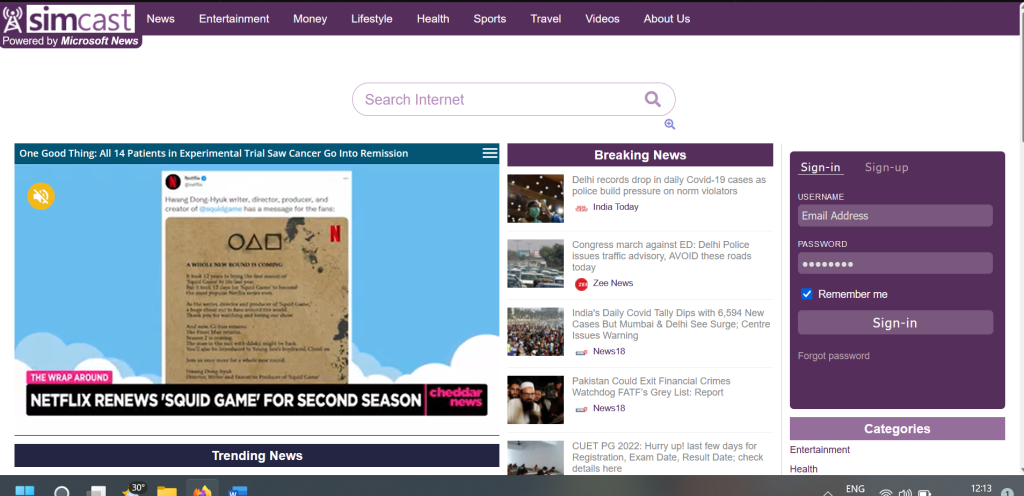
Bad Web Design: A Recipe for Disaster
When it comes to creating a successful online presence, web design plays a crucial role. However, bad web design can have a significant negative impact on user experience, branding, and ultimately, the success of a website.
Poor User Experience
Bad web design often leads to a poor user experience. Cluttered layouts, confusing navigation, slow loading times, and inconsistent design elements can frustrate visitors and drive them away from your site. Users expect websites to be intuitive and easy to navigate, so any obstacles in their way can result in high bounce rates and low engagement.
Negative Brand Perception
Your website is often the first point of contact between your brand and potential customers. Bad web design can create a negative perception of your brand, making visitors question your credibility and professionalism. A poorly designed website may convey a lack of attention to detail or even suggest that your business is outdated or unreliable.
Decreased Conversions
A website with bad design elements can significantly impact conversion rates. Whether you’re selling products or services or simply trying to capture leads, a poorly designed website can deter visitors from taking the desired actions. Confusing calls-to-action, unappealing visuals, and an overall lack of trust can all contribute to lower conversion rates.
SEO Challenges
In addition to user experience and branding issues, bad web design can also hinder your search engine optimization (SEO) efforts. Search engines favor websites that are well-designed, fast-loading, mobile-friendly, and easy to navigate. Elements like broken links, duplicate content, and excessive use of Flash can negatively impact your site’s visibility in search results.
Competitive Disadvantage
In today’s digital landscape, having a well-designed website is essential for staying competitive. With so many options available online, users are quick to judge a website based on its design and usability. If your site falls short in these areas compared to competitors’, you risk losing potential customers to more visually appealing and user-friendly alternatives.
In conclusion, bad web design can have far-reaching consequences for your online presence and business success. Investing in professional web design services or taking the time to improve the design elements of your site is crucial for creating a positive user experience, building trust with visitors, driving conversions, improving SEO rankings, and staying ahead of the competition.
5 Essential Tips to Avoid Common Web Design Mistakes
- Avoid cluttered layouts with too much information on the page.
- Ensure easy navigation by having clear menus and links.
- Optimize loading times by minimizing large images and unnecessary scripts.
- Choose readable fonts and maintain good contrast between text and background colors.
- Make sure your website is mobile-friendly for users accessing it on different devices.
Avoid cluttered layouts with too much information on the page.
To improve your website’s user experience and overall design quality, it is crucial to avoid cluttered layouts with an overload of information on the page. A crowded layout can overwhelm visitors, making it difficult for them to find the information they need and navigate your site effectively. By keeping your design clean, organized, and focused on essential content, you can create a more visually appealing and user-friendly experience that encourages engagement and helps convey your message clearly to your audience.
Ensure easy navigation by having clear menus and links.
To avoid the pitfalls of bad web design, it is crucial to prioritize easy navigation by implementing clear menus and links. User experience is greatly enhanced when visitors can easily find their way around a website, leading to higher engagement and satisfaction. Clear and intuitive navigation not only helps users locate information quickly but also contributes to a positive perception of the website’s professionalism and credibility. By ensuring that menus and links are well-organized and prominently displayed, you can create a seamless browsing experience that encourages visitors to explore further and ultimately achieve your desired goals.
Optimize loading times by minimizing large images and unnecessary scripts.
To improve the user experience and prevent potential frustrations, it is crucial to optimize loading times on a website by minimizing the use of large images and unnecessary scripts. Large images can significantly slow down a website’s loading speed, leading to higher bounce rates and reduced user engagement. Similarly, unnecessary scripts can add unnecessary weight to the site, causing delays in rendering content. By prioritizing efficient loading times through careful image optimization and script management, web designers can create a smoother and more enjoyable browsing experience for visitors.
Choose readable fonts and maintain good contrast between text and background colors.
When it comes to avoiding bad web design practices, one crucial tip is to prioritize readability by selecting appropriate fonts and ensuring sufficient contrast between text and background colors. Choosing readable fonts that are easy on the eyes and maintaining a good contrast ratio can significantly enhance the user experience on your website. Clear, legible text makes it easier for visitors to consume content, navigate your site, and engage with your brand effectively. By paying attention to these details, you can create a more accessible and visually appealing website that keeps users engaged and encourages them to explore further.
Make sure your website is mobile-friendly for users accessing it on different devices.
Ensuring that your website is mobile-friendly is crucial in today’s digital landscape where users access websites on a variety of devices. A responsive design that adapts seamlessly to different screen sizes and resolutions not only enhances the user experience but also improves your site’s visibility in search engine results. By prioritizing mobile-friendliness, you can cater to the growing number of users who rely on smartphones and tablets to browse the web, ultimately increasing engagement, reducing bounce rates, and establishing a positive impression of your brand.