
Personal Website Design: Crafting Your Online Presence
Having a personal website is a powerful way to showcase your skills, experiences, and personality to the world. Whether you’re a freelancer, artist, writer, or simply want to create an online portfolio, designing your own website allows you to have full control over how you present yourself online.
Key Elements of Personal Website Design
When designing your personal website, it’s important to consider several key elements:
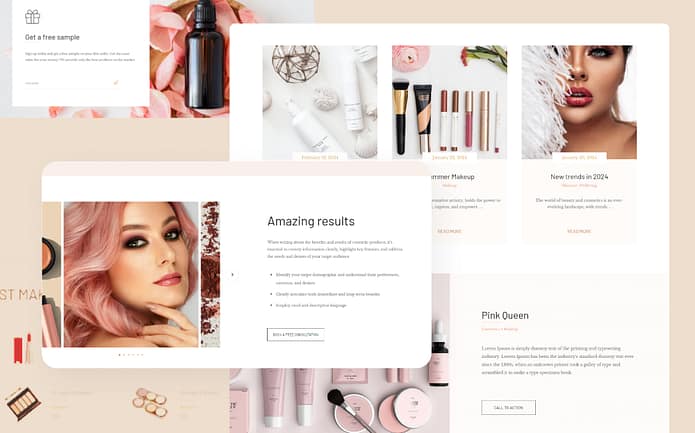
- Visual Appeal: Choose a clean and professional design that reflects your personal style. Use high-quality images and graphics to enhance the visual appeal of your website.
- Navigation: Make sure your website is easy to navigate with clear menus and links. Visitors should be able to find information quickly and intuitively.
- Content: Create engaging and informative content that showcases your work, achievements, and interests. Use a mix of text, images, videos, and other multimedia elements to make your website dynamic.
- Contact Information: Include a contact page or section where visitors can reach out to you easily. This could include a contact form, email address, phone number, or social media links.
Tips for Effective Personal Website Design
To make the most of your personal website design, consider the following tips:
- Keep It Simple: Avoid cluttering your website with too many elements. Focus on what’s important and keep the design clean and streamlined.
- Showcase Your Work: Highlight your best work prominently on your website. Use galleries or portfolios to display projects or creations effectively.
- Mobile-Friendly Design: Ensure that your website is responsive and looks good on all devices, including smartphones and tablets. A mobile-friendly design is essential for reaching a wider audience.
- Regular Updates: Keep your website fresh by updating content regularly. This shows visitors that you are active and engaged in maintaining your online presence.
In Conclusion
Your personal website is an extension of yourself in the digital world. By paying attention to design principles, usability, and content quality, you can create a compelling online presence that reflects who you are professionally and personally.
Top 5 FAQs on Designing an Effective Personal Website
- 1. How do I choose the right design for my personal website?
- 2. What content should I include on my personal website?
- 3. Do I need to know coding to design my own personal website?
- 4. How can I make my personal website stand out from others?
- 5. What are the best practices for optimizing a personal website for search engines?
1. How do I choose the right design for my personal website?
When faced with the question of how to choose the right design for your personal website, consider factors such as your personal style, the nature of your content, and the overall message you want to convey. Start by exploring different website templates or themes that align with your aesthetic preferences and professional goals. Pay attention to elements like color schemes, layout options, and font choices to ensure a cohesive and visually appealing design. Additionally, think about the user experience and how easy it is to navigate your website. Ultimately, selecting a design that resonates with your personality while effectively showcasing your work and interests is key to creating a successful personal website.
2. What content should I include on my personal website?
When considering what content to include on your personal website, it’s essential to focus on showcasing your skills, experiences, and personality effectively. Include an ‘About Me’ section that provides a brief introduction to who you are and what you do. Display a portfolio or showcase of your work to highlight your talents and achievements. Consider adding a blog or news section to share updates, insights, or industry-related content. Including testimonials or client reviews can also help build credibility. Lastly, don’t forget to include contact information so visitors can easily reach out to you for inquiries or collaborations. By curating a mix of engaging and informative content, you can create a compelling personal website that resonates with your audience.
3. Do I need to know coding to design my own personal website?
When it comes to designing your own personal website, the question of whether you need to know coding often arises. The answer is no, you do not necessarily need to know coding to design your own website. With the availability of user-friendly website builders and content management systems like WordPress, Wix, or Squarespace, you can create a professional-looking website without writing a single line of code. These platforms offer drag-and-drop interfaces, pre-designed templates, and customization options that make it easy for anyone to build a website. However, having some basic knowledge of HTML and CSS can be beneficial for customizing your site further and understanding how web design works. Ultimately, the choice of whether to learn coding for your personal website design depends on your specific needs and preferences.
4. How can I make my personal website stand out from others?
To make your personal website stand out from others, focus on showcasing your unique personality, style, and skills. Consider incorporating creative design elements, such as custom graphics or animations, that reflect your individuality. Highlight your most impressive work and achievements prominently on your website to grab visitors’ attention. Additionally, consider incorporating interactive features or multimedia content to engage users and make your website memorable. By infusing your personal touch and creativity into every aspect of your website design, you can create a standout online presence that sets you apart from the crowd.
5. What are the best practices for optimizing a personal website for search engines?
Optimizing a personal website for search engines is crucial to improve visibility and attract organic traffic. Some best practices include conducting keyword research to identify relevant terms to incorporate into your content, optimizing meta tags such as title and description, creating high-quality and engaging content that provides value to visitors, improving website speed and performance for better user experience, utilizing internal linking to connect related pages, and ensuring mobile-friendliness for a seamless browsing experience across devices. By following these optimization techniques, you can enhance your personal website’s search engine ranking and reach a wider audience online.