
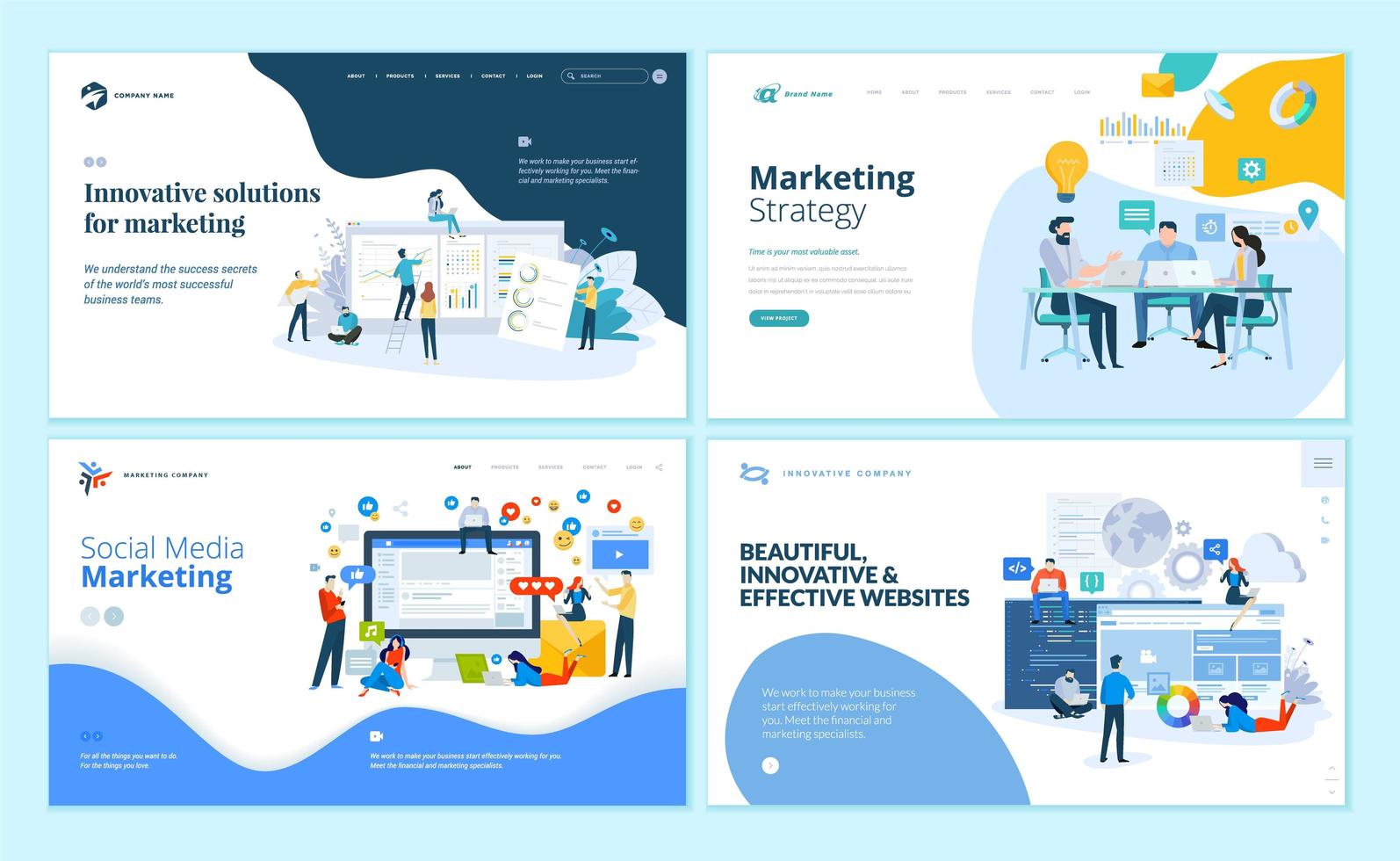
The Impact of Web Design on Marketing Strategies
In today’s digital age, a well-designed website is crucial for any business looking to succeed in the online marketplace. Web design plays a significant role in shaping a user’s perception of a brand and can greatly influence marketing strategies. Here are some key ways in which web design impacts marketing:
First Impressions Matter
Your website is often the first point of contact between your business and potential customers. A visually appealing and user-friendly design can create a positive first impression and encourage visitors to explore further.
Brand Consistency
Consistent branding across all channels, including your website, helps build trust and recognition among your target audience. A cohesive design that reflects your brand identity can reinforce your marketing message and strengthen brand loyalty.
User Experience (UX)
A well-designed website enhances the user experience by making it easy for visitors to navigate, find information, and complete desired actions. A positive UX can increase engagement, reduce bounce rates, and ultimately drive conversions.
Search Engine Optimization (SEO)
Web design elements such as mobile responsiveness, page load speed, and optimized content structure can impact your site’s search engine ranking. A search engine-friendly website is more likely to attract organic traffic and improve visibility in search results.
Call-to-Action (CTA) Placement
Effective CTAs are essential for guiding visitors towards desired actions, such as making a purchase or signing up for a newsletter. Strategic placement of CTAs within your web design can improve conversion rates and support your marketing objectives.
Conclusion
Web design plays a critical role in shaping the success of your marketing strategies. By investing in a well-designed website that prioritizes user experience, brand consistency, SEO best practices, and strategic CTAs, you can enhance your online presence, attract more visitors, and drive meaningful engagement with your target audience.
Top 5 FAQs: The Intersection of Web Design and Digital Marketing
- Is a website designer a marketing job?
- Is web development related to marketing?
- What is web design marketing?
- What is the 70 20 10 rule in digital marketing?
- Is web designing useful for digital marketing?
Is a website designer a marketing job?
The question of whether a website designer is a marketing job is a common one in the realm of web design and marketing. While website design and marketing are closely related disciplines that often overlap, they are distinct roles with different focuses. A website designer primarily focuses on creating visually appealing and user-friendly websites that effectively communicate a brand’s message and offerings. On the other hand, marketing professionals are responsible for developing strategies to promote the website, attract visitors, and drive conversions. While some website designers may have marketing skills and vice versa, each role requires a unique set of expertise to ensure the success of a comprehensive online presence.
Is web development related to marketing?
The relationship between web development and marketing is intricate and interconnected. While web development focuses on the technical aspects of building and maintaining a website, it plays a crucial role in supporting marketing efforts. A well-developed website that is user-friendly, visually appealing, and optimized for search engines can enhance the effectiveness of marketing strategies. From ensuring seamless user experience to implementing conversion-focused design elements, web development directly impacts how a brand is perceived online and how effectively marketing messages are communicated to target audiences. In essence, web development and marketing work hand in hand to create a cohesive online presence that drives engagement, conversions, and ultimately business growth.
What is web design marketing?
Web design marketing refers to the strategic approach of using web design principles and techniques to enhance marketing efforts and achieve business objectives online. It involves creating visually appealing, user-friendly websites that are optimized for search engines, mobile devices, and user experience. Web design marketing aims to attract visitors, engage them with compelling content and visuals, and guide them towards desired actions through effective calls-to-action. By integrating web design elements with marketing strategies, businesses can improve brand visibility, drive traffic, and ultimately increase conversions and sales in the competitive digital landscape.
What is the 70 20 10 rule in digital marketing?
The 70 20 10 rule in digital marketing is a guideline that suggests how businesses should allocate their marketing budget across different types of content. According to this rule, 70% of the budget should be dedicated to proven and successful marketing strategies, 20% to innovative and experimental tactics, and the remaining 10% to high-risk, high-reward initiatives. By following this rule, businesses can maintain a balance between investing in what works reliably, exploring new opportunities for growth, and taking calculated risks to stay competitive in the ever-evolving digital landscape.
Is web designing useful for digital marketing?
The relationship between web design and digital marketing is integral to the success of any online business. Web design plays a crucial role in creating a visually appealing and user-friendly website that can attract and engage visitors. A well-designed website not only enhances the user experience but also supports digital marketing efforts by providing a platform to showcase products or services, drive conversions, and build brand credibility. In essence, web design is a fundamental component of digital marketing strategies, as it influences how effectively businesses can reach and connect with their target audience online.