
Web Designing: A Guide to Creating Engaging and User-Friendly Websites
In today’s digital age, having a well-designed website is crucial for businesses and individuals looking to establish a strong online presence. Web designing is not just about making a website look visually appealing; it’s about creating an engaging and user-friendly experience that drives traffic, increases conversions, and builds brand credibility.
When it comes to web designing, there are several key principles to keep in mind. First and foremost, usability is paramount. Your website should be easy to navigate, with clear menus and intuitive layout. Users should be able to find the information they’re looking for quickly and easily.
Another important aspect of web designing is responsive design. With the increasing use of mobile devices, it’s essential that your website looks and functions well on all screen sizes. Using responsive design techniques ensures that your site adapts seamlessly to different devices, providing a consistent user experience across platforms.
Visual appeal also plays a significant role in web designing. A well-designed website should have a clean and professional look, with high-quality images and appropriate use of color schemes. Consistent branding elements such as logos, fonts, and colors help create a cohesive visual identity that reinforces brand recognition.
In addition to aesthetics, web designing also involves optimizing for performance. Slow-loading websites can drive users away and negatively impact search engine rankings. By optimizing images, minifying code, and leveraging caching techniques, you can improve your site’s speed and performance.
Accessibility is another important consideration in web designing. Your website should be accessible to users of all abilities, including those with disabilities who may rely on assistive technologies such as screen readers. Following accessibility guidelines ensures that your site is inclusive and can be used by everyone.
In conclusion, web designing is a multifaceted process that involves combining aesthetics with functionality to create engaging and user-friendly websites. By following best practices in usability, responsive design, visual appeal, performance optimization, and accessibility, you can build a website that not only looks great but also delivers an exceptional user experience.
Remember: your website is often the first point of contact between your brand and potential customers. Make sure it leaves a lasting impression by investing in thoughtful and strategic web designing practices.
Essential FAQs About Web Designing: Understanding Principles, Tools, and Best Practices
- What is web designing?
- Why is web designing important?
- What are the key principles of web designing?
- How can I make my website mobile-friendly?
- What tools are used in web designing?
- What is the difference between web design and web development?
- How can I improve my website’s loading speed?
- Why is accessibility important in web designing?
- How often should I update my website’s design?
What is web designing?
Web designing encompasses the creative and technical processes involved in building and maintaining websites. It involves a combination of visual design, user experience design, and coding to create websites that are visually appealing, easy to navigate, and functional. Web designers use various tools and technologies such as HTML, CSS, and JavaScript to bring their designs to life. The goal of web designing is to create websites that effectively communicate a brand’s message, engage users, and drive conversions. It is a dynamic field that continues to evolve with new trends and technologies shaping the way websites are designed and developed.
Why is web designing important?
Web designing is crucial for several reasons. First and foremost, a well-designed website creates a positive first impression for visitors, helping to establish credibility and trust in your brand. It also plays a significant role in user experience, ensuring that visitors can easily navigate your site, find information quickly, and engage with your content effectively. Additionally, web designing impacts search engine optimization (SEO), as search engines favor websites that are user-friendly and well-structured. Ultimately, investing in professional web designing can lead to increased traffic, higher conversion rates, and overall success in the competitive online landscape.
What are the key principles of web designing?
One of the most frequently asked questions in web designing is, “What are the key principles of web designing?” The key principles of web designing encompass various aspects that are essential for creating successful websites. These principles include usability, responsive design, visual appeal, performance optimization, and accessibility. Usability focuses on making the website easy to navigate and user-friendly. Responsive design ensures that the website looks and functions well on all devices. Visual appeal involves creating a visually appealing and cohesive design that reflects the brand identity. Performance optimization aims to improve site speed and loading times. Accessibility ensures that the website is inclusive and can be used by all users, including those with disabilities. By adhering to these key principles, web designers can create websites that are engaging, functional, and effective in achieving their goals.
How can I make my website mobile-friendly?
One frequently asked question in web designing is, “How can I make my website mobile-friendly?” Making your website mobile-friendly is essential in today’s digital landscape, where a significant portion of internet traffic comes from mobile devices. To ensure your website is optimized for mobile users, you can implement responsive design techniques that allow your site to adapt seamlessly to different screen sizes and resolutions. This includes using flexible layouts, scalable images, and prioritizing content for smaller screens. Additionally, optimizing loading times, simplifying navigation, and ensuring touch-friendly elements can further enhance the mobile user experience. By focusing on creating a responsive and user-friendly design, you can make your website accessible and engaging for visitors across all devices.
What tools are used in web designing?
In web designing, a variety of tools are used to create and optimize websites for a seamless user experience. Some common tools include graphic design software like Adobe Photoshop and Sketch for creating visual elements such as logos, images, and icons. For coding and development, tools like Sublime Text, Visual Studio Code, and Atom are popular choices among web designers. Content management systems (CMS) like WordPress and Joomla provide a platform for building and managing website content easily. Additionally, tools for testing and debugging such as Google Chrome Developer Tools and BrowserStack help ensure that websites function properly across different browsers and devices. Overall, the combination of these tools plays a crucial role in the web designing process to bring creative visions to life on the digital landscape.
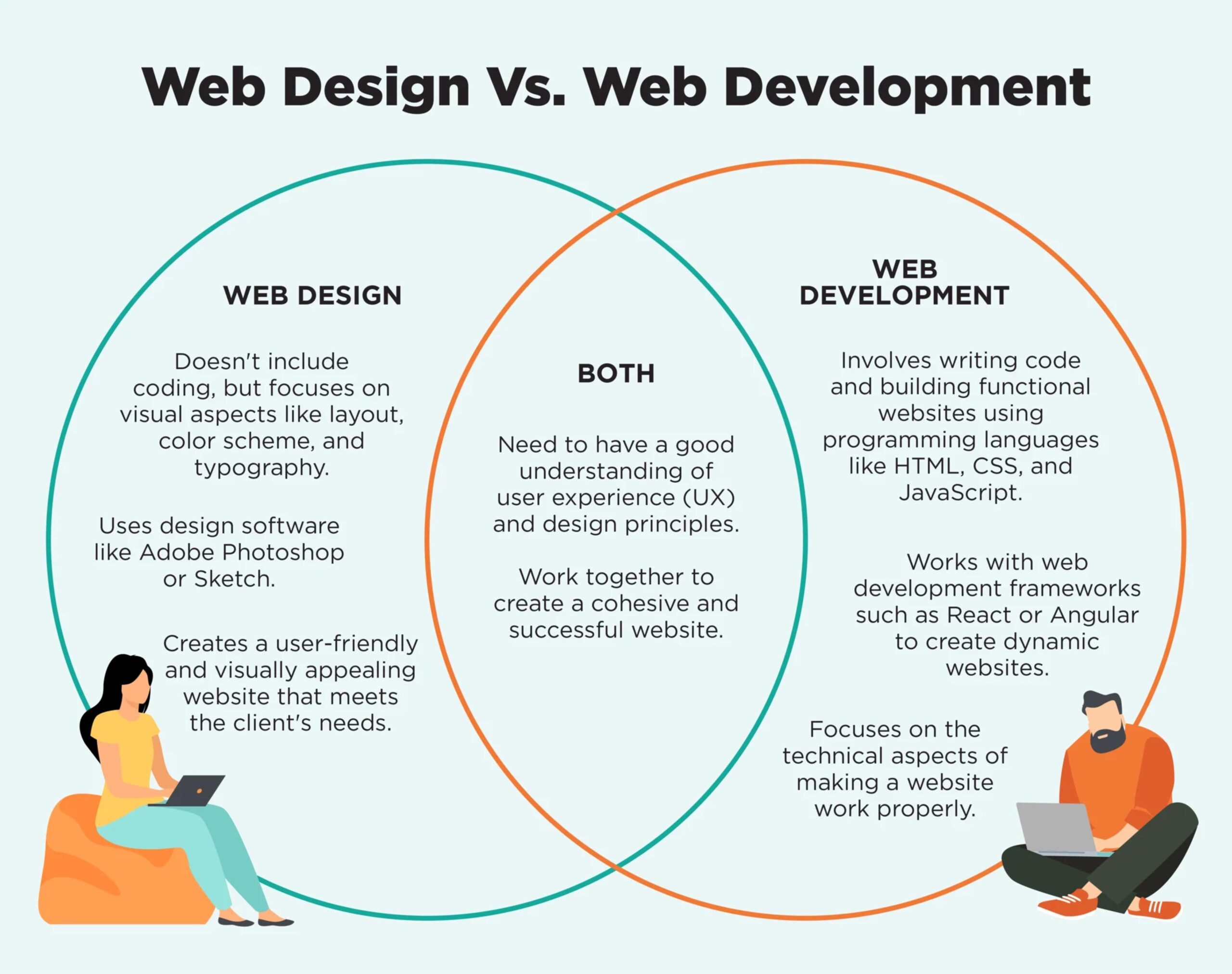
What is the difference between web design and web development?
A commonly asked question in the realm of web designing is: What is the difference between web design and web development? While the two terms are often used interchangeably, they refer to distinct aspects of creating a website. Web design focuses on the visual and user experience elements of a website, including layout, color schemes, typography, and overall aesthetics. On the other hand, web development involves the technical implementation of a website, such as coding, programming, and functionality. In essence, web designers are responsible for how a website looks and feels, while web developers bring those designs to life through coding and programming. Both disciplines are essential in creating a successful and functional website that engages users and achieves its intended goals.
How can I improve my website’s loading speed?
Improving your website’s loading speed is crucial for providing a positive user experience and optimizing your site for search engines. There are several strategies you can implement to boost your website’s loading speed. First, optimize your images by compressing them without compromising quality. Minify CSS, JavaScript, and HTML files to reduce their file sizes and improve load times. Utilize browser caching to store frequently accessed resources locally on users’ devices, reducing the need to fetch them from the server each time. Consider using a content delivery network (CDN) to distribute your website’s content across multiple servers worldwide, reducing latency for users in different geographical locations. By implementing these techniques and regularly monitoring your site’s performance, you can significantly improve your website’s loading speed and enhance the overall user experience.
Why is accessibility important in web designing?
Accessibility is crucial in web designing because it ensures that websites can be used by individuals of all abilities, including those with disabilities. By incorporating accessibility features such as alt text for images, proper heading structures, and keyboard navigation options, web designers can make their sites usable for everyone. Accessible websites not only comply with legal requirements but also provide a better user experience for all visitors. Ensuring accessibility in web designing promotes inclusivity, expands the reach of your website to a wider audience, and demonstrates a commitment to equal access to information and services online.
How often should I update my website’s design?
One frequently asked question in web designing is, “How often should I update my website’s design?” While there is no one-size-fits-all answer to this question, it is generally recommended to refresh your website’s design every 2-3 years to keep it current and engaging for visitors. However, the frequency of updates may vary depending on your industry, target audience, and evolving design trends. Regularly updating your website’s design can help improve user experience, reflect changes in your brand or offerings, and stay ahead of competitors. It’s essential to monitor user feedback, track performance metrics, and stay informed about emerging design practices to determine the right time to update your website’s design for optimal results.