
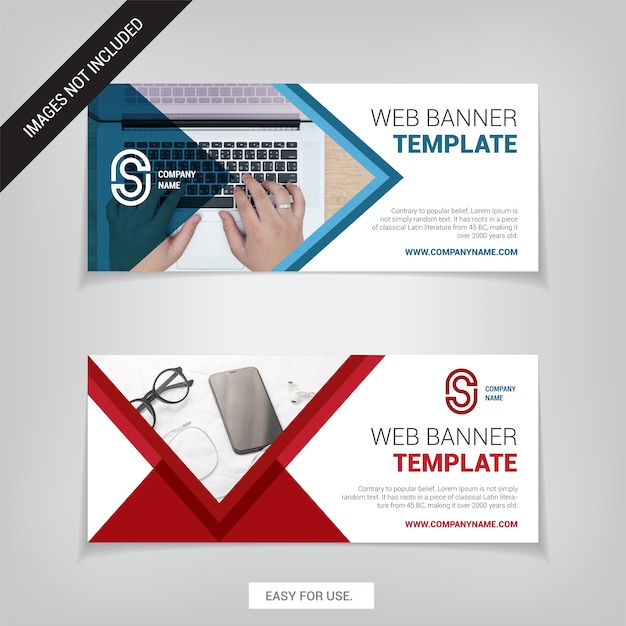
The Importance of Web Banner Design
Web banner design plays a crucial role in attracting visitors to a website and conveying important messages effectively. A well-designed web banner can grab the attention of users, increase click-through rates, and ultimately drive conversions. Here are some key reasons why web banner design is essential for online success:
First Impression Matters
When users land on a website, the first thing they see is often the web banner at the top of the page. A visually appealing and well-designed banner can create a positive first impression and encourage users to explore further.
Branding and Recognition
Web banners are an excellent way to showcase your brand identity through colors, typography, and imagery. Consistent branding across all banners helps in building brand recognition and establishing trust with visitors.
Call-to-Action (CTA)
An effective web banner design includes a clear call-to-action that prompts users to take a specific action, such as making a purchase or signing up for a newsletter. A compelling CTA combined with eye-catching design can significantly improve conversion rates.
Visual Hierarchy
Good web banner design follows a clear visual hierarchy to guide users’ attention towards important elements like headlines, images, and CTAs. Proper use of colors, contrast, and spacing helps in creating an organized layout that is easy to navigate.
Responsive Design
In today’s mobile-first world, it’s crucial for web banners to be responsive and adapt to different screen sizes seamlessly. Responsive design ensures that your banners look great on all devices, providing a consistent user experience across platforms.
A/B Testing
Web banner design allows for easy A/B testing to determine which designs perform best in terms of engagement and conversions. By testing different variations of banners, you can optimize your design strategy for maximum effectiveness.
In conclusion, web banner design is a critical aspect of creating engaging and successful websites. By focusing on visual appeal, branding consistency, clear CTAs, responsive layouts, and testing strategies, you can create banners that not only attract users but also drive them towards your desired actions.
9 Benefits of Web Banner Design: Boosting Engagement and Driving Results
- 1. Captures attention quickly
- 2. Enhances brand recognition
- 3. Drives traffic to specific pages
- 4. Increases click-through rates
- 5. Boosts conversions and sales
- 6. Communicates messages effectively
- 7. Supports marketing campaigns
- 8. Improves user experience on the website
- 9. Allows for easy testing and optimization
7 Common Challenges in Web Banner Design: From Banner Blindness to Compatibility Issues
- Banner blindness
- Cluttered design
- Slow loading times
- Intrusive ads
- Limited space
- Banner fatigue
- Compatibility issues
1. Captures attention quickly
One of the key advantages of web banner design is its ability to capture attention quickly. A well-crafted web banner with eye-catching visuals, compelling copy, and strategic placement can instantly grab the user’s focus as soon as they land on a webpage. This immediate attention-grabbing feature makes web banners an effective tool for conveying important messages, promotions, or calls-to-action in a concise and impactful manner, helping to engage users and drive desired actions within seconds.
2. Enhances brand recognition
Web banner design plays a vital role in enhancing brand recognition by effectively showcasing a company’s visual identity, colors, and logo. Consistent branding across web banners helps to establish a strong and memorable brand presence in the minds of users. By incorporating brand elements into the design of web banners, businesses can create a cohesive and recognizable online image that differentiates them from competitors and fosters trust and loyalty among their target audience.
3. Drives traffic to specific pages
One significant advantage of web banner design is its ability to drive traffic to specific pages on a website. By strategically placing banners with enticing visuals and compelling calls-to-action, businesses can direct visitors to targeted landing pages or promotional offers. This targeted approach not only increases the visibility of specific content but also enhances user engagement and encourages exploration of different sections of the website. Effective web banner design plays a crucial role in guiding users through the site and ultimately driving traffic to key pages for increased conversions and interactions.
4. Increases click-through rates
One of the key benefits of effective web banner design is its ability to increase click-through rates. A well-designed and visually appealing banner can grab the attention of users and entice them to click on it, leading to higher engagement levels and ultimately driving more traffic to the desired destination. By incorporating compelling visuals, clear calls-to-action, and strategic placement, web banners can significantly boost click-through rates and improve overall website performance.
5. Boosts conversions and sales
Effective web banner design has the power to significantly boost conversions and sales for businesses. By strategically placing compelling calls-to-action, showcasing enticing offers, and creating visually appealing banners that capture users’ attention, websites can drive more visitors to take desired actions such as making a purchase or signing up for a service. A well-designed web banner can create a sense of urgency and persuade users to engage with the content, ultimately leading to increased conversion rates and higher sales revenue.
6. Communicates messages effectively
Effective web banner design is essential for communicating messages clearly and efficiently to website visitors. By utilizing strategic placement of text, imagery, and design elements, web banners can convey important information, promotions, or calls-to-action in a visually appealing and easily digestible manner. A well-crafted web banner with concise messaging can capture the attention of users and effectively communicate the intended message, leading to increased engagement and conversions on the website.
7. Supports marketing campaigns
Web banner design supports marketing campaigns by providing a visually engaging platform to promote products, services, or special offers to a targeted audience. These banners can be strategically placed on websites, social media platforms, or in email campaigns to increase brand visibility and drive traffic to specific landing pages. By incorporating compelling visuals, persuasive messaging, and clear calls-to-action in the design of web banners, businesses can effectively communicate their marketing messages and enhance the overall success of their campaigns.
8. Improves user experience on the website
Web banner design plays a significant role in enhancing the user experience on a website. By incorporating visually appealing banners that are well-designed and strategically placed, users are provided with a more engaging and aesthetically pleasing browsing experience. Thoughtfully crafted banners can help guide users through the website, highlight important information, and create a seamless navigation flow, ultimately improving overall user satisfaction and interaction with the site.
9. Allows for easy testing and optimization
One significant advantage of web banner design is that it allows for easy testing and optimization. By creating different variations of banners and analyzing their performance metrics, website owners can gather valuable insights on what designs resonate best with their audience. This iterative process of testing and optimization enables continuous improvement, leading to higher click-through rates, improved user engagement, and ultimately, better conversion rates.
Banner blindness
Banner blindness is a significant con of web banner design, as users may develop a tendency to ignore banners altogether due to their familiarity with online ads. With the prevalence of banner advertisements on websites, users have become adept at filtering out these elements, leading to reduced visibility and effectiveness of web banners. This phenomenon poses a challenge for designers and marketers to create more engaging and relevant banner content that can capture users’ attention despite their predisposition to overlook traditional ad formats.
Cluttered design
A significant drawback of web banner design is the risk of creating cluttered and overly complex banners that can overwhelm users and distract them from the main message. When a banner is filled with too many elements, such as excessive text, images, or animations, it can confuse visitors and make it difficult for them to focus on the intended call-to-action. A cluttered design not only hinders user experience but also diminishes the effectiveness of the banner in conveying key information or promoting desired actions. Simplifying the design and prioritizing clarity and simplicity are essential to ensure that web banners effectively communicate their message without overwhelming or alienating users.
Slow loading times
Slow loading times due to large or poorly optimized web banners can significantly impact the user experience of a website. When banners take too long to load, visitors may become frustrated and abandon the site before even seeing its content. Slow loading times not only lead to a poor user experience but also have negative implications for search engine rankings, as page speed is a crucial factor in SEO performance. It is essential for web designers to prioritize optimization techniques such as image compression and lazy loading to ensure that web banners do not compromise the overall loading speed of the website.
Intrusive ads
One significant drawback of web banner design is the issue of intrusive ads. Aggressive banner designs that interrupt the user experience can be highly disruptive and annoying to visitors. These intrusive ads may cover important content, slow down page loading times, or create a cluttered and overwhelming visual environment. As a result, users may develop negative perceptions of the website, leading to increased bounce rates and decreased engagement. It is essential for website owners to strike a balance between promoting their content or products through banners and ensuring a seamless and enjoyable user experience to avoid alienating their audience.
Limited space
One significant drawback of web banner design is the limited space available for conveying information. With only a small area to work with, it becomes challenging to communicate complex messages effectively. Designers must carefully prioritize content and visuals to ensure that the most important information is conveyed clearly within the constraints of the banner space. This limitation can lead to oversimplification of messages or difficulty in providing detailed information, potentially impacting the effectiveness of the overall communication strategy.
Banner fatigue
Banner fatigue is a significant downside of web banner design that can lead to user disengagement and annoyance. When users are repeatedly exposed to the same banners or irrelevant content, they may start to tune out or actively avoid interacting with the banners. This can result in decreased click-through rates, lower engagement levels, and ultimately a negative impact on the effectiveness of the website’s marketing efforts. To combat banner fatigue, it is essential for designers to create fresh, relevant, and engaging banners that resonate with users and provide value without overwhelming or irritating them.
Compatibility issues
Compatibility issues are a significant con of web banner design, as they can result in banners not displaying correctly on all devices or browsers. This inconsistency can lead to a frustrating user experience, with some visitors unable to view the banner as intended. Compatibility issues may arise due to differences in screen sizes, resolutions, or browser settings, making it challenging to ensure that the web banner appears consistently across all platforms. Addressing compatibility issues is crucial to providing a seamless and engaging experience for all users, regardless of the device or browser they are using.