
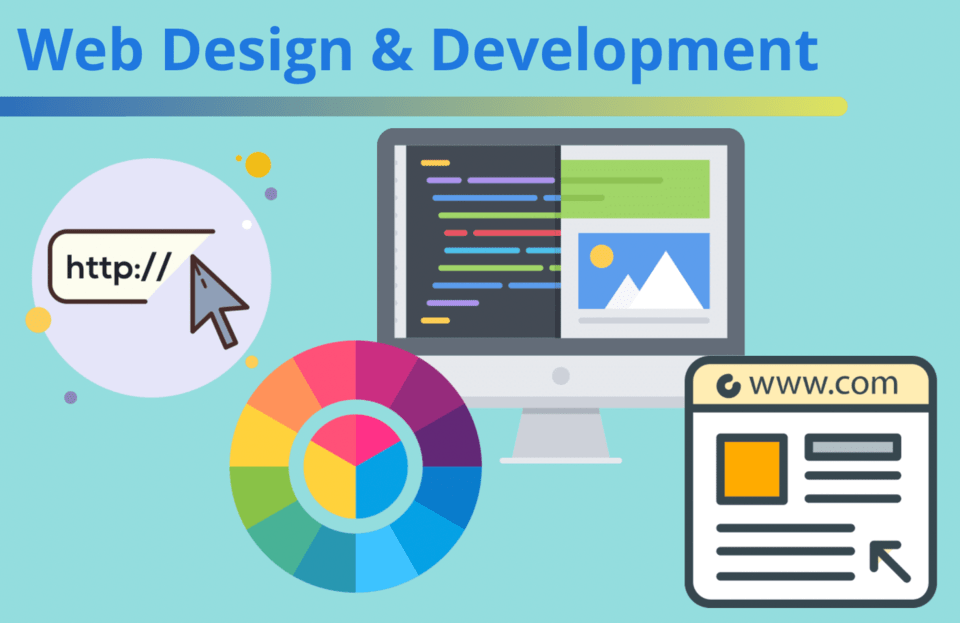
Web Design Trends for 2021
In 2021, web design continues to evolve with new trends and technologies shaping the digital landscape. Here are some key trends to watch out for this year:
Dark Mode
Dark mode has gained popularity in recent years due to its sleek and modern appearance. Many websites now offer a dark mode option to reduce eye strain and improve user experience, especially in low-light environments.
Minimalism
Simplicity is key in modern web design. Minimalist designs with clean layouts, ample white space, and simple typography help users focus on the content without distractions.
Neumorphism
Neumorphism is a design trend that combines skeuomorphism and flat design elements to create realistic and tactile interfaces. Soft shadows and highlights give elements a three-dimensional look.
Bold Colors and Gradients
Vibrant colors and gradients are making a comeback in web design in 20
Bold color choices can help websites stand out and create a memorable visual impact.
Interactive Experiences
Interactive elements such as animations, scroll-triggered effects, hover animations, and micro-interactions enhance user engagement and create a more dynamic user experience.
Accessibility
Accessibility in web design is more important than ever. Designing websites with inclusive features such as alt text for images, keyboard navigation, and high color contrast ensures that all users can access the content easily.
Mobile-First Design
With the increasing use of mobile devices, designing websites with a mobile-first approach is essential in 20
Responsive design techniques ensure that websites look great and function well on all screen sizes.
Keep these trends in mind when designing your website in 2021 to create a modern, visually appealing, and user-friendly online experience.
Top 9 Web Design Trends of 2021: Enhancing User Experience and Accessibility
- 1. Enhanced user experience through interactive elements
- 2. Improved accessibility features for a wider audience reach
- 3. Modern and sleek dark mode option for reduced eye strain
- 4. Minimalist designs with clean layouts for better focus on content
- 5. Vibrant color choices and gradients for visually appealing websites
- 6. Neumorphism design trend combining realism and flat design elements
- 7. Mobile-first approach ensuring optimal performance on all devices
- 8. Innovative use of animations, scroll effects, and micro-interactions for engagement
- 9. High emphasis on responsive design techniques for seamless user experience
Top 6 Web Design Challenges in 2021: Navigating Complexity, Performance, and Cost
1. Enhanced user experience through interactive elements
In 2021, one of the key advantages of web design is the ability to enhance user experience through interactive elements. Websites that incorporate animations, scroll-triggered effects, hover animations, and micro-interactions create a more engaging and dynamic experience for users. These interactive elements not only capture users’ attention but also encourage them to explore the website further, leading to increased user engagement and satisfaction. By providing a more interactive and personalized experience, web designers can create memorable interactions that leave a lasting impression on visitors.
2. Improved accessibility features for a wider audience reach
In 2021, one significant pro of web design is the focus on improved accessibility features, allowing websites to reach a wider audience. By incorporating inclusive design practices such as alt text for images, keyboard navigation, and high color contrast, web designers are ensuring that all users, including those with disabilities, can access and interact with online content easily. This emphasis on accessibility not only enhances the user experience for individuals with diverse needs but also aligns with ethical principles of inclusivity and equality in the digital space.
3. Modern and sleek dark mode option for reduced eye strain
One of the standout benefits of web design in 2021 is the integration of a modern and sleek dark mode option. This feature not only adds a stylish touch to websites but also serves a practical purpose by reducing eye strain, especially in low-light environments. Users can now enjoy a visually appealing browsing experience while minimizing the harsh glare from screens, promoting better eye health and overall comfort during extended periods of use.
4. Minimalist designs with clean layouts for better focus on content
In 2021, one of the standout advantages of web design is the emphasis on minimalist designs with clean layouts. This approach allows for better focus on content, ensuring that users can engage with the information without distractions. By simplifying the design elements and incorporating ample white space, minimalist web design creates a visually appealing and user-friendly experience that prioritizes content clarity and readability.
5. Vibrant color choices and gradients for visually appealing websites
In 2021, one of the standout pros of web design is the use of vibrant color choices and gradients to create visually appealing websites. Incorporating bold and vibrant colors, along with creative gradients, can instantly capture users’ attention and leave a lasting impression. These design elements not only make websites visually striking but also help in establishing brand identity and setting a unique tone for the online presence. By leveraging vibrant colors and gradients effectively, web designers can enhance user engagement, create a memorable visual experience, and set their websites apart in a crowded digital landscape.
6. Neumorphism design trend combining realism and flat design elements
In 2021, one of the standout pros of web design is the Neumorphism design trend, which seamlessly combines elements of realism and flat design. This innovative approach creates interfaces that appear tactile and three-dimensional, thanks to soft shadows and highlights that mimic physical objects. Neumorphism not only adds a touch of sophistication to websites but also enhances user engagement by providing a visually appealing and interactive experience. This trend represents a harmonious blend of traditional and contemporary design principles, making it a popular choice for creating modern and captivating digital interfaces in 2021.
7. Mobile-first approach ensuring optimal performance on all devices
In 2021, the adoption of a mobile-first approach in web design has emerged as a crucial advantage, ensuring optimal performance across all devices. By prioritizing the design and functionality for mobile devices before desktops, websites can deliver a seamless user experience regardless of the screen size or device being used. This approach not only enhances accessibility but also improves loading speeds and overall performance, catering to the growing number of users accessing websites on their smartphones and tablets.
8. Innovative use of animations, scroll effects, and micro-interactions for engagement
One of the standout advantages of web design in 2021 is the innovative use of animations, scroll effects, and micro-interactions to enhance user engagement. These dynamic elements not only add visual interest but also create a more interactive and immersive browsing experience for visitors. By incorporating subtle animations, captivating scroll effects, and engaging micro-interactions, websites can capture users’ attention, guide them through the content, and encourage them to explore further. This trend showcases the creative possibilities of web design in captivating and retaining audience interest in a competitive online landscape.
9. High emphasis on responsive design techniques for seamless user experience
In the realm of web design in 2021, there is a notable emphasis on responsive design techniques to ensure a seamless user experience across various devices and screen sizes. By prioritizing responsive design, websites can adapt and optimize their layout and content presentation to provide users with consistent functionality and aesthetics regardless of whether they are accessing the site on a desktop, tablet, or smartphone. This focus on responsiveness not only enhances user satisfaction but also contributes to improved accessibility and engagement, making it a crucial aspect of modern web design practices.
Complexity
In the realm of web design in 2021, one significant drawback is the increasing complexity that comes with advanced design trends. While these trends can result in visually stunning and innovative websites, they also pose challenges in terms of building and maintaining them. The intricate design elements, animations, and interactive features require a higher level of expertise and time investment from designers and developers. Additionally, as websites become more complex, they may be prone to performance issues and technical difficulties, making regular maintenance a more demanding task. Striking a balance between cutting-edge design and practical functionality is crucial to ensure that websites remain user-friendly and efficient despite their complexity.
Performance Issues
In the realm of web design in 2021, one significant con that designers and developers face is the issue of performance. The heavy use of animations and effects, while visually appealing, can lead to slower website loading times. This can negatively impact user experience, as visitors may become frustrated with long wait times and may choose to navigate away from the site before it fully loads. Balancing aesthetic appeal with performance optimization is crucial in ensuring that websites remain fast and responsive for all users.
Compatibility Challenges
One significant challenge in web design in 2021 is compatibility issues. Ensuring a consistent display across various browsers and devices can be a daunting task for designers. With the multitude of browsers, operating systems, and screen sizes available today, maintaining a uniform user experience becomes increasingly complex. Designers must test and optimize their websites rigorously to address compatibility challenges and ensure that users have a seamless browsing experience regardless of the device or browser they are using.
Accessibility Concerns
Accessibility concerns are a significant con of web design in 2021. While many design trends aim to enhance the visual appeal and user experience of websites, some of these trends may inadvertently reduce accessibility for users with disabilities. Factors such as low color contrast, complex animations, and non-intuitive navigation can create barriers for individuals with visual or motor impairments. It is crucial for web designers to prioritize accessibility and ensure that their designs are inclusive and usable for all users, regardless of their abilities. By addressing these concerns proactively, designers can create websites that are not only visually appealing but also accessible to everyone.
Overdesigning
In the realm of web design in 2021, one notable con to be wary of is overdesigning. While incorporating trendy elements can enhance the visual appeal of a website, going overboard with these design choices can have adverse effects. Overdesigning may lead to a cluttered and chaotic layout that overwhelms users, detracting from the main content and causing confusion. It is crucial for designers to strike a balance between creativity and functionality to ensure that the user experience remains seamless and intuitive.
Cost
In the realm of web design in 2021, one significant drawback to consider is the cost associated with implementing cutting-edge design trends. Embracing the latest design elements and technologies often demands additional resources and investment. From hiring skilled designers and developers to acquiring specialized tools and software, staying ahead of the curve in web design can strain a project’s budget. However, balancing innovation with practicality is key to achieving a successful and sustainable online presence. It’s crucial for businesses to weigh the benefits of adopting new trends against the financial implications to ensure that their website remains both visually appealing and cost-effective.