
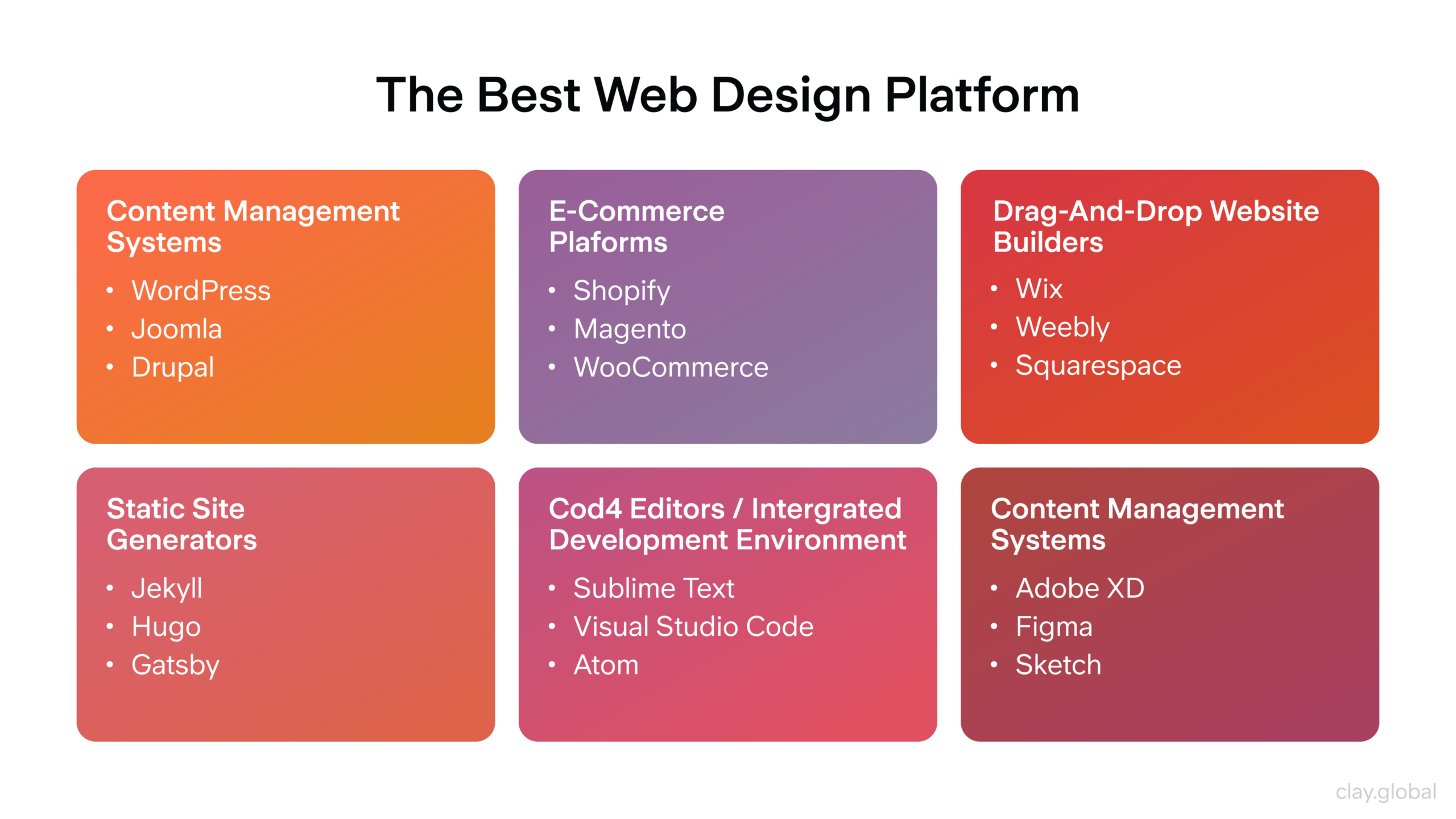
Designing a website is a crucial aspect of creating a successful online presence. A well-designed website not only attracts visitors but also keeps them engaged and encourages them to explore further. Here are some key considerations to keep in mind when designing a website:
- **Define Your Goals:** Before diving into the design process, clearly define the goals of your website. Are you looking to sell products, provide information, or generate leads? Understanding your objectives will help guide the design process.
- **Understand Your Audience:** Consider who your target audience is and tailor your design to meet their needs and preferences. A user-friendly interface and intuitive navigation are essential for ensuring a positive user experience.
- **Choose a Color Scheme:** Selecting an appropriate color scheme can significantly impact the overall look and feel of your website. Choose colors that complement your brand and evoke the desired emotions in your visitors.
- **Create a Layout:** The layout of your website should be clean, organized, and easy to navigate. Use headings, subheadings, and white space effectively to guide users through the content.
- **Optimize for Mobile:** With an increasing number of users accessing websites on mobile devices, it’s essential to ensure that your site is responsive and mobile-friendly. Test your design on various devices to ensure a seamless experience across all platforms.
- **Incorporate Visual Elements:** Images, videos, and graphics can enhance the visual appeal of your website and help convey information more effectively. Just be sure to optimize these elements for fast loading times.
- **Focus on Typography:** Choose fonts that are easy to read and align with your brand’s style. Consistent typography throughout your site can help create a cohesive look.
- **Call-to-Action (CTA):** Include clear CTAs strategically placed throughout your website to guide visitors towards desired actions, such as making a purchase or signing up for a newsletter.
- **Test and Iterate:** Once your website is live, gather feedback from users and analyze data to identify areas for improvement. Continuously test different elements of your design to optimize performance over time.
By following these guidelines and staying attuned to current design trends, you can create a visually appealing and user-friendly website that effectively communicates your brand message and achieves your business goals.
5 Essential Tips for Designing an Effective and Engaging Website
- Keep the design clean and uncluttered for easy navigation.
- Use high-quality images and graphics to enhance visual appeal.
- Ensure that the website is mobile-responsive for a seamless user experience on all devices.
- Choose a color scheme that reflects your brand identity and is visually pleasing.
- Include clear call-to-action buttons to guide users towards desired actions.
Keep the design clean and uncluttered for easy navigation.
Keeping the design of your website clean and uncluttered is essential for ensuring easy navigation and a positive user experience. By minimizing distractions and focusing on essential elements, such as clear menus, intuitive links, and organized content, you can guide visitors seamlessly through your site. A clutter-free design not only enhances visual appeal but also helps users find the information they need quickly and efficiently. Prioritizing simplicity and clarity in your website’s layout will ultimately lead to increased engagement and satisfaction among your audience.
Use high-quality images and graphics to enhance visual appeal.
Utilizing high-quality images and graphics is essential in enhancing the visual appeal of a website. Visually engaging content not only captures the attention of visitors but also helps convey information more effectively. By incorporating crisp, vibrant images and well-designed graphics, you can create a more immersive and memorable user experience. Investing in quality visuals demonstrates professionalism and attention to detail, ultimately contributing to a polished and visually appealing website design that resonates with your audience.
Ensure that the website is mobile-responsive for a seamless user experience on all devices.
Ensuring that your website is mobile-responsive is crucial for providing a seamless user experience on all devices. With the increasing number of users accessing websites on smartphones and tablets, it’s essential that your site adapts to different screen sizes and resolutions. A mobile-responsive design not only improves usability but also boosts your site’s search engine rankings. By prioritizing mobile responsiveness, you can cater to a broader audience and ensure that visitors have a consistent and enjoyable browsing experience regardless of the device they are using.
Choose a color scheme that reflects your brand identity and is visually pleasing.
When designing a website, it is crucial to choose a color scheme that not only reflects your brand identity but also creates a visually pleasing experience for your visitors. Colors have the power to evoke emotions and convey messages, making them a powerful tool in shaping how users perceive your brand. By selecting colors that align with your brand’s values and personality, you can create a cohesive and memorable visual identity that resonates with your target audience. Additionally, a well-chosen color scheme can enhance readability, guide users through the content, and establish a strong visual hierarchy on your website.
Include clear call-to-action buttons to guide users towards desired actions.
When designing a website, it is essential to include clear call-to-action buttons strategically placed throughout the site to guide users towards desired actions. These buttons serve as signposts, directing visitors on what steps to take next, whether it’s making a purchase, signing up for a newsletter, or contacting the business. By making CTAs prominent and visually appealing, you can effectively prompt users to engage with your content and ultimately drive conversions.