
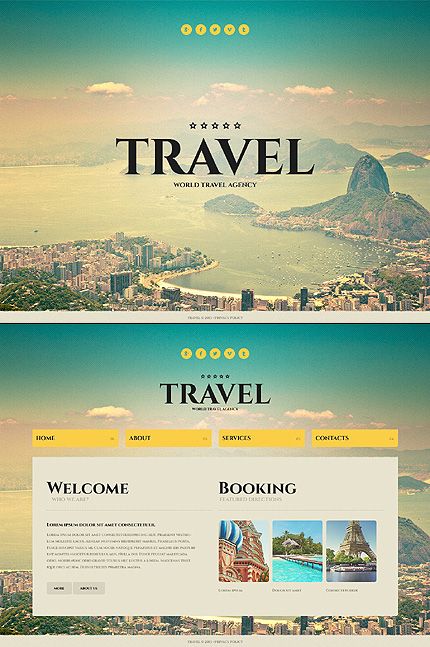
The Importance of Good Travel Agency Website Design
When it comes to the travel industry, having an attractive and user-friendly website is essential for attracting and retaining customers. A well-designed travel agency website can showcase your services, destinations, and special offers in a visually appealing way that entices visitors to explore further.
Here are some key elements to consider when designing a travel agency website:
- Responsive Design: Ensure your website is mobile-friendly to cater to users accessing it on various devices.
- High-Quality Imagery: Use stunning images of destinations to capture the attention of visitors and inspire them to book a trip.
- User-Friendly Navigation: Make it easy for users to find information about packages, pricing, and contact details.
- Clear Calls-to-Action: Include prominent buttons for booking inquiries or signing up for newsletters.
- Social Proof: Display testimonials from satisfied customers to build trust with potential clients.
A well-designed travel agency website not only attracts new customers but also enhances the overall user experience. By incorporating these design elements, you can create a visually appealing and functional website that sets your travel agency apart from the competition.
Essential FAQs for Designing and Marketing a Successful Travel Agency Website
- How do I start a travel agency website?
- How do you market a travel agency on social media?
- What should a travel agency website have?
- What is the best tourism website?
How do I start a travel agency website?
Starting a travel agency website involves several key steps to ensure a successful launch. Firstly, you need to choose a reliable web hosting provider and register a domain name that reflects your brand identity. Next, select a user-friendly website builder or hire a professional web designer to create a visually appealing and functional site. It’s essential to include informative content about your services, destinations, and packages, along with clear calls-to-action for booking inquiries. Don’t forget to optimize your website for search engines to improve visibility online. Lastly, regularly update your site with fresh content and stay responsive to customer inquiries to provide a seamless user experience. By following these steps, you can effectively start and maintain a travel agency website that attracts and engages potential customers.
How do you market a travel agency on social media?
To effectively market a travel agency on social media, it is essential to create engaging content that showcases the unique experiences and destinations your agency offers. Utilize visually appealing images and videos to capture the attention of potential customers and encourage them to explore further. Engage with your audience by responding to comments, sharing user-generated content, and running contests or giveaways to increase interaction. Collaborate with influencers or partner with other travel-related businesses to expand your reach. Consistent posting, utilizing relevant hashtags, and analyzing insights to tailor your strategy are key components in successfully promoting a travel agency on social media platforms.
What should a travel agency website have?
When designing a travel agency website, it is essential to include key elements that enhance user experience and showcase the services offered. A well-rounded travel agency website should have features such as a user-friendly booking system, detailed information about destinations and packages, high-quality images and videos to entice travelers, customer reviews and testimonials to build trust, contact information for inquiries, responsive design for mobile users, and clear calls-to-action for easy navigation. By incorporating these elements, a travel agency website can effectively attract and engage visitors while providing them with the necessary information to make informed travel decisions.
What is the best tourism website?
When it comes to determining the best tourism website, it ultimately depends on individual preferences and needs. There are numerous factors to consider, such as user interface, content quality, ease of navigation, visual appeal, and the range of services offered. Some popular tourism websites known for their exceptional design and functionality include TripAdvisor, Expedia, Booking.com, and Airbnb. These platforms excel in providing comprehensive travel information, user reviews, booking options, and personalized recommendations to enhance the overall travel experience. Ultimately, the best tourism website is one that effectively meets the needs and expectations of its users by offering valuable resources and a seamless booking process.