
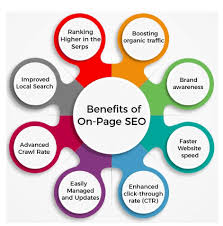
The Importance of On-Page Optimization in Digital Marketing
On-page optimization is a crucial aspect of digital marketing that focuses on optimizing individual web pages to rank higher and earn more relevant traffic in search engines. By making specific changes to the content and HTML source code of a webpage, marketers can improve its visibility and relevance for targeted keywords.
Key Elements of On-Page Optimization:
- Title Tags: The title tag is one of the most important on-page SEO elements. It should be descriptive, contain relevant keywords, and be around 50-60 characters long.
- Meta Descriptions: Meta descriptions provide a brief summary of the webpage’s content. They should be compelling, contain keywords, and be around 150-160 characters long.
- URL Structure: URLs should be user-friendly, descriptive, and contain relevant keywords. Avoid using generic URLs with numbers or special characters.
- Heading Tags: Use heading tags (H1, H2, etc.) to structure your content logically. Include target keywords in headings to signal the topic of each section.
- Keyword Optimization: Incorporate relevant keywords naturally throughout the content while avoiding keyword stuffing. Focus on providing valuable information to readers.
- Image Alt Text: Optimize image alt text with descriptive keywords to improve accessibility and provide context for search engines.
- Internal Linking: Link related pages within your website to provide additional context for search engines and improve user navigation.
Tips for Effective On-Page Optimization:
To maximize the impact of on-page optimization in digital marketing, consider the following tips:
- Create High-Quality Content: Focus on producing valuable, engaging content that meets the needs of your target audience.
- Optimize Page Load Speed: Ensure fast loading times by optimizing images, minifying CSS/JS files, and leveraging browser caching.
- Mobile-Friendly Design: Make sure your website is responsive and mobile-friendly to cater to users on various devices.
- User Experience (UX): Prioritize user experience by organizing content logically, improving navigation, and enhancing readability.
In conclusion, on-page optimization plays a vital role in digital marketing by enhancing website visibility, relevance, and user experience. By implementing best practices and continually monitoring performance metrics, marketers can drive organic traffic growth and achieve their online marketing goals effectively.
7 Essential FAQs About On-Page Optimization in Digital Marketing
- What is on-page optimization in digital marketing?
- Why is on-page optimization important for SEO?
- How can title tags impact on-page optimization?
- What are meta descriptions and their role in on-page optimization?
- How does keyword optimization contribute to on-page SEO?
- What is the significance of internal linking in on-page optimization?
- How can user experience (UX) influence on-page SEO?
What is on-page optimization in digital marketing?
On-page optimization in digital marketing refers to the practice of optimizing individual web pages to improve their search engine rankings and attract relevant traffic. It involves making strategic changes to the content, HTML source code, and structure of a webpage to enhance its visibility and relevance for targeted keywords. By focusing on elements such as title tags, meta descriptions, URL structure, keyword optimization, and internal linking, marketers can ensure that their web pages are well-optimized for search engines and provide a positive user experience. On-page optimization is essential for driving organic traffic growth and achieving online marketing goals effectively in today’s competitive digital landscape.
Why is on-page optimization important for SEO?
On-page optimization is crucial for SEO because it directly impacts a website’s visibility and relevance in search engine results. By implementing on-page SEO techniques such as optimizing title tags, meta descriptions, URL structures, and content with relevant keywords, marketers can improve their website’s chances of ranking higher for targeted search queries. This optimization not only helps search engines understand the content and purpose of each webpage but also enhances user experience by providing valuable and well-structured information. Ultimately, on-page optimization plays a key role in driving organic traffic to a website and increasing its overall online presence.
How can title tags impact on-page optimization?
Title tags play a crucial role in on-page optimization in digital marketing by influencing search engine rankings and user click-through rates. A well-crafted title tag that includes relevant keywords and accurately describes the content of a webpage can help search engines understand the topic and relevance of the page. This, in turn, can improve the page’s visibility in search results for specific queries. Additionally, compelling and optimized title tags can attract users’ attention and entice them to click on the link, increasing the likelihood of driving organic traffic to the website. Therefore, paying attention to title tags is essential for maximizing the impact of on-page optimization efforts and improving overall search engine performance.
What are meta descriptions and their role in on-page optimization?
Meta descriptions are brief summaries of a webpage’s content that appear in search engine results below the page title. They play a crucial role in on-page optimization by providing search engines and users with a concise preview of what the page is about. Well-crafted meta descriptions should be compelling, relevant to the content, and contain targeted keywords to attract clicks and improve click-through rates. By optimizing meta descriptions, digital marketers can enhance the visibility and clickability of their web pages in search results, ultimately driving more organic traffic to their websites.
How does keyword optimization contribute to on-page SEO?
Keyword optimization is a fundamental aspect of on-page SEO that significantly contributes to improving a webpage’s visibility and relevance in search engine results. By strategically incorporating relevant keywords into the title tags, meta descriptions, headings, content, and image alt text of a webpage, marketers can signal the topic and intent of the page to search engines. This helps search engines understand the context of the content and match it with user queries more effectively. Proper keyword optimization not only enhances organic search visibility but also increases the chances of attracting targeted traffic to the website, ultimately improving overall SEO performance and driving valuable user engagement.
What is the significance of internal linking in on-page optimization?
Internal linking is a key component of on-page optimization in digital marketing as it plays a crucial role in enhancing website structure, user experience, and search engine visibility. By strategically linking related pages within a website, marketers can guide visitors to relevant content, improve navigation, and establish contextual relationships between different pages. Internal links also help search engines crawl and index web pages more effectively, boosting the overall SEO performance of the site. Additionally, internal linking can distribute link equity throughout the website, potentially increasing the ranking potential of important pages. Overall, incorporating internal links thoughtfully can lead to a more cohesive and user-friendly website that is well-positioned for organic search success.
How can user experience (UX) influence on-page SEO?
User experience (UX) is a critical factor that can significantly impact on-page SEO in digital marketing. A positive user experience, characterized by intuitive navigation, fast loading times, and engaging content, not only keeps visitors on the website longer but also signals to search engines that the site is valuable and relevant to users. Search engines like Google prioritize websites that offer a seamless user experience, considering factors such as mobile-friendliness, readability, and overall usability when ranking pages. By focusing on improving UX elements such as clear navigation, responsive design, and high-quality content, marketers can enhance on-page SEO performance and ultimately drive more organic traffic to their website.