
Best Website Ranking: Tools and Strategies to Improve Your Search Visibility
Every website owner wants to appear near the top of search results. But the best website ranking strategy is not a shortcut or a single tool. It combines useful content, sound technical foundations, relevant links, and regular measurement. The right approach helps search engines understand your pages—and helps people find answers worth their time.
This guide covers popular website ranking tools, the factors that can influence search visibility, and practical steps for improving your site.
What Does Website Ranking Mean?
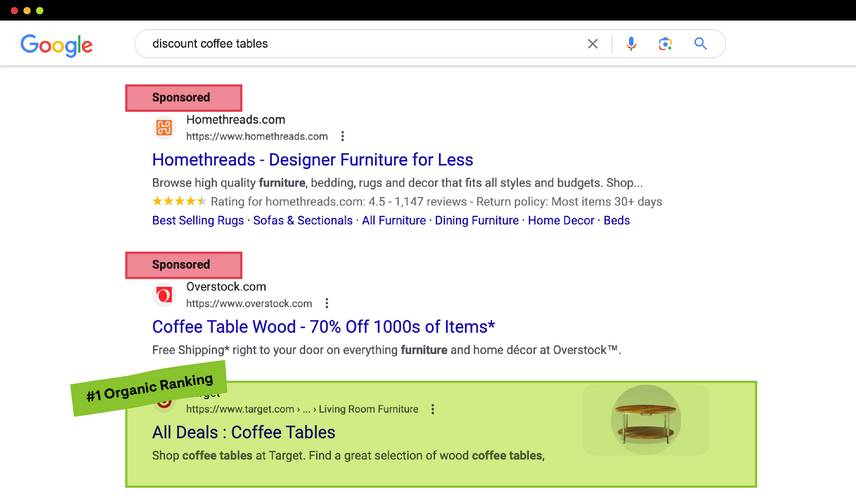
A website ranking is the position a page holds in search results for a particular query. Rankings can vary by keyword, search engine, location, device, and date. A page might rank highly for one search term and appear much lower for another.
There is no single, permanent ranking for an entire website. Search results also change over time, so it is more helpful to track important pages and search queries than to focus on one overall score.
Popular Website Ranking Tools
Ranking tools can help you monitor search visibility, find keyword opportunities, and identify issues that may be affecting your site. The best choice depends on your goals and budget.
Google Search Console
Google Search Console is a free starting point for understanding how a site performs in Google Search. It can show queries that lead people to your pages, impressions, clicks, average position, indexing information, and certain site issues. Its data is specific to Google, and average position should be treated as a useful trend rather than a fixed, personalized rank.
Ahrefs
Ahrefs offers SEO research features for exploring keywords, reviewing backlinks, analyzing competitors, and tracking rankings. It can be useful for teams that want a broad view of organic search opportunities. As with other third-party platforms, its metrics are estimates and may differ from search engine data.
Semrush
Semrush includes tools for keyword research, competitor analysis, site audits, and position tracking. It may suit businesses that want several marketing and SEO workflows in one platform. Compare plans and features before choosing, since needs vary from one site to another.
Moz
Moz provides SEO tools for keyword research, link analysis, and site monitoring. Its learning resources can also help beginners understand common SEO concepts. Consider it if you value a guided introduction alongside research features.
SE Ranking and AccuRanker
SE Ranking and AccuRanker are options for businesses and agencies that want to monitor keyword positions. Rank-tracking platforms can make it easier to compare performance over time, across locations, or among competing sites. Check how each service handles reporting frequency, search engines, and local tracking before subscribing.
PageSpeed Insights
PageSpeed Insights helps assess page performance and highlights potential improvements. Fast, dependable pages make for a better user experience, though a speed score alone does not guarantee higher rankings. Use performance reports alongside broader technical and content checks.
How to Choose a Ranking Tool
Before signing up for a paid service, consider what you actually need to measure. A small business may get plenty of value from Google Search Console and a focused site audit. An agency managing multiple clients may need automated reports, local tracking, and team access.
- Define your goal: Decide whether you need keyword tracking, technical audits, backlink research, or competitor analysis.
- Check your target markets: Make sure the tool can track the locations and search engines that matter to your audience.
- Compare reporting features: Look for clear reports that help you make decisions, not just large amounts of data.
- Test before committing: Use a trial or free version when available and confirm that the data is useful for your workflow.
- Keep estimates in perspective: Third-party ranking and traffic metrics are directional, not exact measurements of every search result.
Practical Ways to Improve Website Rankings
Create Helpful, Focused Content
Start with the questions your audience is trying to answer. Build each page around a clear topic, explain it thoroughly, and include relevant details that help readers take the next step. Avoid writing pages solely to repeat keywords or reach an arbitrary word count.
Research Search Terms Before Writing
Keyword research can reveal the language people use and the intent behind their searches. Look beyond search volume. A phrase may attract many searches but be a poor fit for your business, while a more specific query may bring visitors who are ready to act.
Improve Titles and Page Structure
Give each page a descriptive title and organize the content with clear headings. Write concise page descriptions that accurately summarize the page and encourage the right visitors to click. Search engines may choose different title links or snippets, so these elements should inform rather than overpromise.
Make the Site Easy to Use
Ensure that pages work well on mobile devices, navigation is understandable, and important information is easy to find. Review loading performance, broken links, and intrusive elements. A usable site supports visitors even when a particular improvement does not directly change rankings.
Strengthen Your Internal Links
Link related pages together with descriptive anchor text. Helpful internal links guide visitors to relevant information and make it easier for search engines to discover and understand your pages.
Earn Relevant, Trustworthy Links
Other reputable websites may link to content they consider useful. Original research, practical resources, and strong community relationships can help earn those links naturally. Avoid buying links or using schemes designed to manipulate search results, which can put a site at risk.
Monitor Technical Health
Check that important pages can be crawled and indexed, that redirects work correctly, and that duplicate or outdated pages are handled appropriately. Google Search Console and other site-audit tools can help surface problems, but investigate each warning before making changes.
How to Track Progress
Choose a manageable set of measures and review them consistently. Useful indicators include:
- Search impressions and clicks
- Organic visits to important pages
- Performance for relevant search queries
- Conversions, leads, or other business outcomes
- Indexing and technical issues
Compare similar time periods and account for seasonality, site changes, and shifts in demand. Rankings can fluctuate, so avoid making major decisions based on a single day or one keyword. The goal is not simply to move up a results page; it is to attract the right visitors and help them accomplish what they came to do.
Final Thoughts
The best website ranking solution is the one that fits your needs and supports a consistent, user-focused SEO process. Start with free data from Google Search Console, choose additional tools only when they solve a specific problem, and invest in content and site improvements that genuinely benefit your audience. Rankings take time, and no tool or tactic can guarantee a particular position—but steady, thoughtful work can build stronger search visibility over the long term.
5 Essential SEO Tips to Improve Your Website’s Rankings
- Use relevant keywords naturally in titles and content.
- Create helpful, original content that answers searchers’ questions.
- Make pages fast, mobile-friendly, and easy to navigate.
- Earn quality backlinks from trusted, relevant websites.
- Keep your sitemap, metadata, and internal links up to date.
Use relevant keywords naturally in titles and content.
Use relevant keywords naturally in your page titles and content to help search engines and readers understand what each page is about. Choose phrases that match your audience’s search intent, then include them where they fit—such as in the title, headings, introduction, and body text. Avoid keyword stuffing or awkward repetition; clear, useful writing creates a better experience for visitors and supports long-term search visibility.
Create helpful, original content that answers searchers’ questions.
Create helpful, original content by focusing on what searchers genuinely want to know and answering their questions clearly. Use reliable information, practical examples, and your own expertise or perspective to make each page valuable rather than simply repeating what other websites say. Organize the content so readers can find key details quickly, and update it when information changes. When a page genuinely helps its audience, it is more likely to earn trust, engagement, and stronger search visibility over time.
Make pages fast, mobile-friendly, and easy to navigate.
Make your website fast, mobile-friendly, and easy to navigate to give visitors a better experience and help search engines understand your content. Compress images, avoid unnecessary scripts, and check that pages load smoothly on phones and tablets. Use clear menus, descriptive links, and a logical page structure so visitors can quickly find what they need.
Earn quality backlinks from trusted, relevant websites.
Earn quality backlinks by creating useful content that trusted, relevant websites genuinely want to reference. These links can help search engines discover your pages and understand their context, while also bringing interested readers to your site. Focus on building real relationships, sharing original research or practical resources, and earning mentions naturally rather than buying links or using schemes to manipulate rankings.
Keep your sitemap, metadata, and internal links up to date.
Keep your sitemap, metadata, and internal links up to date to help search engines discover, understand, and index your pages. Make sure your sitemap includes current, important URLs; write accurate page titles and descriptions; and link related pages with clear, descriptive anchor text. Review these elements whenever you publish, update, or remove content so visitors and search engines can navigate your site effectively.