
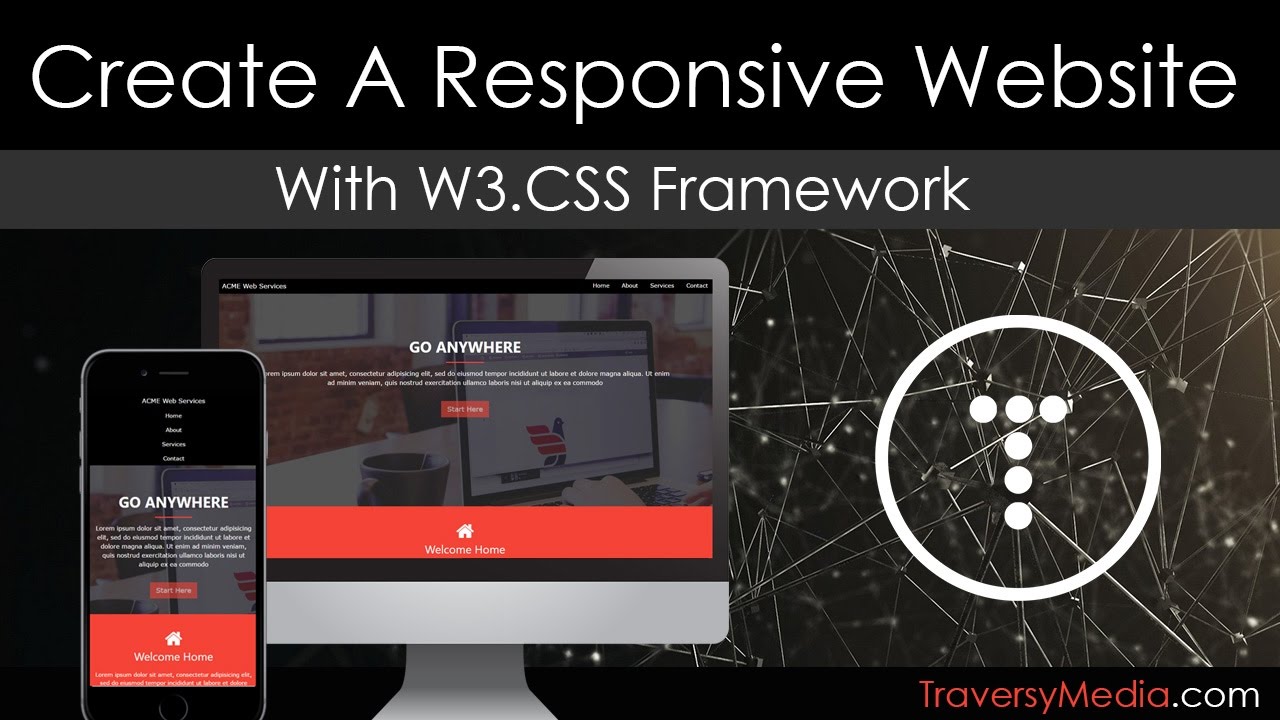
Responsive Web Design with W3
In today’s digital age, having a website that looks good and functions well on all devices is crucial. This is where responsive web design comes into play. Responsive web design, as defined by the World Wide Web Consortium (W3), is an approach to designing and coding websites that ensures they adapt to the size of the user’s device screen.
One of the key principles of responsive web design is using fluid grids. Instead of fixed-width layouts, designers use percentages or relative units to define the size of elements on the page. This allows the content to adjust and reflow based on the screen size, providing a seamless user experience across devices.
Another important aspect of responsive web design is flexible images and media. By setting max-width properties for images and videos, designers can prevent them from exceeding the width of their containing element. This ensures that media content scales appropriately on different screen sizes without losing quality or breaking the layout.
Media queries are also essential in responsive web design. These CSS rules allow designers to apply different styles based on various factors such as screen width, orientation, and resolution. By using media queries effectively, designers can create layouts that are optimized for specific devices or screen sizes.
In conclusion, responsive web design following W3 guidelines is essential for creating modern websites that provide a consistent and user-friendly experience across all devices. By implementing fluid grids, flexible media, and media queries, designers can ensure their websites look great and function well no matter how users access them.
Understanding Responsive Web Design: Key Concepts and Essential Steps
- What is responsive web design?
- How do I create a responsive website design?
- What are the 3 basic things required for responsive web design?
- What are the three pillars of responsive web design?
What is responsive web design?
Responsive web design, as defined by W3, is an approach to designing websites that ensures they adapt to the size of the user’s device screen. In essence, responsive web design involves creating websites that can adjust and reflow their layout and content based on the screen size and orientation of the device being used. By utilizing fluid grids, flexible images, and media queries, responsive web design aims to provide a seamless user experience across a wide range of devices, from desktop computers to smartphones and tablets. Ultimately, responsive web design is about creating websites that are visually appealing and functional on any device, offering users a consistent experience no matter how they access the site.
How do I create a responsive website design?
Creating a responsive website design involves following key principles outlined by W3. To create a responsive website, start by using fluid grids to define the layout in relative units rather than fixed widths. This allows elements to adapt and reflow based on the screen size. Next, ensure that images and media are flexible by setting max-width properties to prevent them from exceeding their containing element. Additionally, utilize media queries to apply different styles based on screen characteristics like width and resolution. By incorporating these techniques in your design process, you can create a responsive website that looks great and functions seamlessly across various devices.
What are the 3 basic things required for responsive web design?
In responsive web design according to W3 guidelines, there are three fundamental elements that are essential for creating a website that adapts to different screen sizes and devices. The first basic requirement is the use of fluid grids, which allow the layout to adjust proportionally based on the user’s screen size. The second key element is flexible images and media, ensuring that visual content scales appropriately without losing quality or breaking the design. Lastly, incorporating media queries into the CSS code is crucial for applying specific styles based on factors like screen width and orientation, enabling a seamless user experience across various devices. By implementing these three foundational components, designers can create websites that are visually appealing and fully functional on any device.
What are the three pillars of responsive web design?
The three pillars of responsive web design, as outlined by W3, are fluid grids, flexible images and media, and media queries. These foundational principles are essential for creating websites that adapt seamlessly to different screen sizes and devices. Fluid grids allow for dynamic layout adjustments by using relative units instead of fixed widths. Flexible images and media ensure that visual content scales appropriately without losing quality or breaking the design. Media queries enable designers to apply specific styles based on factors like screen width, orientation, and resolution, optimizing the user experience across various devices. By incorporating these three pillars into their design approach, developers can create responsive websites that provide a consistent and engaging user experience for all visitors.