
On-Site Optimization SEO: A Complete Guide
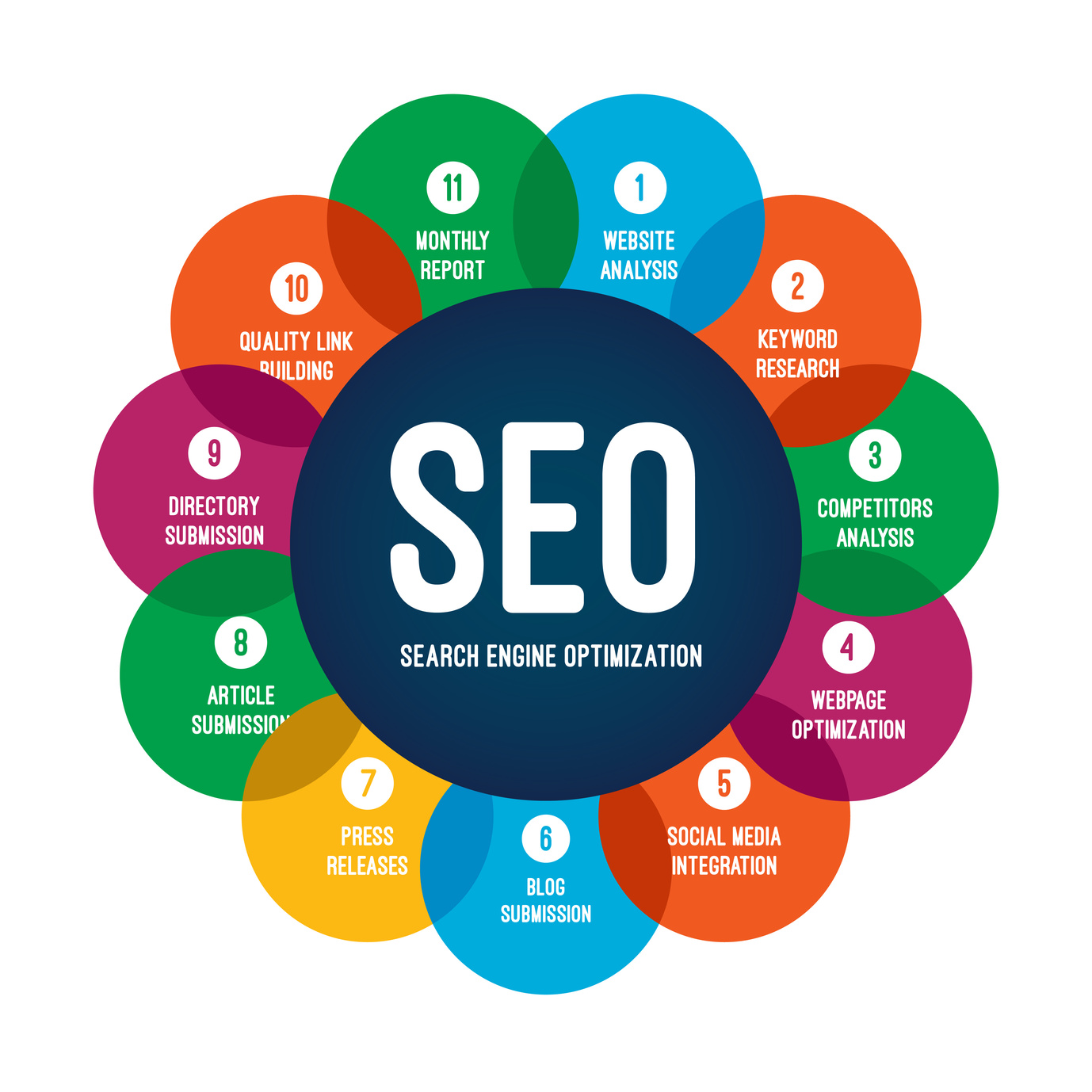
On-site optimization is a crucial aspect of search engine optimization (SEO) that involves optimizing various elements on your website to improve its visibility and ranking in search engine results. By focusing on on-site optimization, you can make your website more user-friendly, improve its performance, and increase its chances of ranking higher in search engine results pages.
Key Elements of On-Site Optimization:
- Title Tags: Create unique and descriptive title tags for each page of your website that accurately reflect the content.
- Meta Descriptions: Write compelling meta descriptions that summarize the content of each page and encourage users to click through.
- Heading Tags: Use heading tags (H1, H2, H3, etc.) to structure your content and make it easier for search engines to understand the hierarchy of information.
- Keyword Optimization: Incorporate relevant keywords naturally throughout your content, including in headings, body text, image alt text, and meta tags.
- Image Optimization: Optimize images by using descriptive filenames, alt text, and captions to improve accessibility and enhance SEO.
- Internal Linking: Create a logical internal linking structure to help users navigate your site and distribute link equity throughout your pages.
- User Experience (UX): Ensure your website is user-friendly by optimizing page load speed, mobile responsiveness, navigation menus, and overall design.
Tips for Effective On-Site Optimization:
To maximize the impact of on-site optimization on your SEO efforts, consider the following tips:
- Create High-Quality Content: Produce valuable and engaging content that addresses the needs of your target audience.
- Regularly Update Your Website: Keep your website fresh with new content, updates, and improvements to maintain relevance.
- Analyze Performance Metrics: Monitor key performance indicators such as traffic, bounce rate, time on site, and conversion rates to track the effectiveness of your optimization efforts.
- Stay Informed About SEO Best Practices: Stay updated on industry trends and algorithm changes to adapt your strategies accordingly.
In conclusion, on-site optimization plays a crucial role in improving the visibility and performance of your website in search engine results. By implementing best practices for on-site optimization and continuously refining your strategies based on data-driven insights, you can enhance user experience, increase organic traffic, and achieve higher rankings in search engine results pages.
7 Essential Tips for Effective On-Site SEO Optimization
- Perform keyword research to identify relevant and high-traffic keywords for your website.
- Optimize your meta tags, including title tags and meta descriptions, with targeted keywords.
- Create unique and valuable content that is optimized for both users and search engines.
- Improve website loading speed by optimizing images, minifying CSS and JavaScript, and leveraging browser caching.
- Ensure your website has a clear site structure with easy navigation for users and search engine crawlers.
- Optimize your URLs by making them descriptive, concise, and including relevant keywords.
- Regularly monitor and analyze your on-site SEO performance using tools like Google Analytics to make data-driven improvements.
Perform keyword research to identify relevant and high-traffic keywords for your website.
Performing keyword research is a fundamental step in on-site optimization SEO. By identifying relevant and high-traffic keywords for your website, you can strategically incorporate them into your content to improve its visibility and ranking in search engine results. Understanding the terms and phrases that your target audience is searching for allows you to create content that aligns with their interests and needs, ultimately driving more organic traffic to your site. Effective keyword research lays the foundation for a successful SEO strategy by helping you attract the right audience and increase your website’s online presence.
Optimize your meta tags, including title tags and meta descriptions, with targeted keywords.
Optimizing your meta tags, including title tags and meta descriptions, with targeted keywords is a key strategy in on-site optimization SEO. By incorporating relevant keywords into these elements, you can improve the visibility of your website in search engine results and attract the right audience to your content. Crafting compelling and descriptive meta tags helps search engines understand the context of your pages, making it easier for users to find and engage with your website. Remember to use keywords naturally and strategically in your meta tags to enhance their effectiveness in driving organic traffic to your site.
Create unique and valuable content that is optimized for both users and search engines.
Creating unique and valuable content that is optimized for both users and search engines is essential for effective on-site optimization SEO. By developing content that meets the needs and interests of your target audience while incorporating relevant keywords and optimization techniques, you can enhance user experience, attract organic traffic, and improve your website’s visibility in search engine results. Balancing user-centricity with SEO best practices ensures that your content not only ranks well but also resonates with visitors, leading to increased engagement and conversions.
Improve website loading speed by optimizing images, minifying CSS and JavaScript, and leveraging browser caching.
Improving website loading speed is a key aspect of on-site optimization SEO. By optimizing images, minifying CSS and JavaScript, and leveraging browser caching, you can significantly enhance the performance of your website. Optimizing images involves reducing file sizes without compromising quality, while minifying CSS and JavaScript involves removing unnecessary characters to streamline code. Leveraging browser caching allows visitors’ browsers to store static resources locally, reducing load times for returning users. These strategies not only improve user experience but also contribute to higher search engine rankings by signaling site efficiency and relevance.
Ensure your website has a clear site structure with easy navigation for users and search engine crawlers.
Ensuring your website has a clear site structure with easy navigation is essential for effective on-site optimization SEO. A well-organized site layout not only enhances user experience by making it easy for visitors to find what they’re looking for but also helps search engine crawlers navigate and index your content more efficiently. By implementing intuitive navigation menus, logical page hierarchies, and internal linking strategies, you can improve the accessibility of your website for both users and search engines, ultimately enhancing its visibility and ranking in search results.
Optimize your URLs by making them descriptive, concise, and including relevant keywords.
Optimizing your URLs is a key aspect of on-site optimization SEO. By making your URLs descriptive, concise, and including relevant keywords, you can improve the user experience and help search engines understand the content of your web pages better. Clear and keyword-rich URLs not only make it easier for visitors to navigate your site but also enhance the overall SEO performance by signaling the relevance of your content to search engines. Remember to keep your URLs clean, organized, and reflective of the page’s content to maximize their impact on both user engagement and search engine rankings.
Regularly monitor and analyze your on-site SEO performance using tools like Google Analytics to make data-driven improvements.
Regularly monitoring and analyzing your on-site SEO performance using tools like Google Analytics is essential for making data-driven improvements to your website. By tracking key metrics such as traffic sources, user behavior, and conversion rates, you can gain valuable insights into the effectiveness of your optimization efforts. This data allows you to identify areas for improvement, adjust your strategies accordingly, and ultimately enhance the overall performance and visibility of your website in search engine results.