
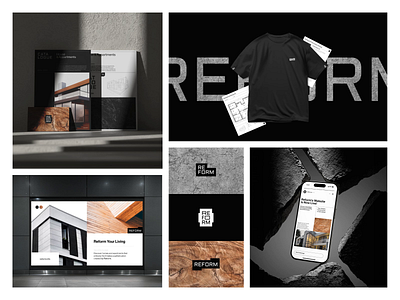
The Importance of Branding in Website Design
Branding plays a crucial role in the success of any website design. It is more than just a logo or color scheme; branding encompasses the overall look, feel, and message of a website. Here are some key reasons why branding is essential in website design:
Establishes Identity
Your brand is what sets you apart from your competitors. A well-defined brand identity helps visitors recognize and remember your website. Consistent branding across all aspects of your site creates a cohesive and memorable user experience.
Builds Trust
A strong brand instills confidence in your visitors. When your website design reflects your brand values and messaging, it creates a sense of trust and credibility. People are more likely to engage with a website that they perceive as trustworthy.
Enhances User Experience
Branding elements such as colors, fonts, and imagery can greatly impact the user experience. A well-designed website that aligns with your brand identity makes navigation intuitive and enjoyable for visitors, leading to higher engagement and conversions.
Drives Recognition and Recall
Consistent branding helps your website stand out in a crowded digital landscape. When users encounter your brand across different channels, they are more likely to remember and recognize it. This recognition leads to increased brand recall and loyalty.
Supports Marketing Efforts
Your website is a powerful marketing tool, and effective branding strengthens its impact. By integrating branding elements into your website design, you create a cohesive platform for promoting your products or services. Brand consistency across marketing channels reinforces your messaging and maximizes reach.
In conclusion, branding is an integral part of successful website design. By prioritizing branding elements in your site’s visual identity and messaging, you can create a compelling online presence that resonates with visitors and drives business growth.
9 Essential Tips for Effective Branding and Website Design
- Define your brand identity, including values, mission, and target audience.
- Create a consistent visual identity with a logo, color scheme, and typography.
- Ensure your website design reflects your brand’s personality and message.
- Optimize your website for mobile devices to reach a wider audience.
- Use high-quality images and graphics to enhance the visual appeal of your website.
- Keep your website layout clean and organized for easy navigation.
- Incorporate call-to-action buttons strategically to guide visitors towards desired actions.
- Optimize loading speed for better user experience and SEO rankings.
- Regularly update content to keep the website fresh and engaging for visitors.
Define your brand identity, including values, mission, and target audience.
Defining your brand identity is a crucial step in effective website design. By clearly outlining your brand values, mission, and target audience, you establish a solid foundation for creating a cohesive and impactful online presence. Understanding who you are as a brand and who you are trying to reach allows you to tailor your website design elements, messaging, and user experience to resonate with your target audience. Consistency in branding across all aspects of your website helps build trust, drive recognition, and differentiate your brand in the competitive digital landscape.
Create a consistent visual identity with a logo, color scheme, and typography.
Creating a consistent visual identity with a logo, color scheme, and typography is essential for effective branding and website design. These elements work together to establish a cohesive look and feel that reflects your brand’s personality and values. A well-designed logo serves as a memorable symbol of your brand, while a thoughtfully chosen color scheme evokes specific emotions and associations. Typography plays a crucial role in enhancing readability and conveying the tone of your content. By maintaining consistency across these visual elements, you can reinforce brand recognition, build trust with your audience, and create a unified user experience that resonates with visitors.
Ensure your website design reflects your brand’s personality and message.
It is crucial to ensure that your website design accurately reflects your brand’s personality and message. Your website serves as a digital representation of your brand, and it is often the first point of contact for potential customers. By aligning your design elements, such as colors, fonts, imagery, and tone of voice, with your brand’s identity, you create a cohesive and memorable user experience. Consistency in branding across all aspects of your website helps to convey your brand’s values and messaging effectively, building trust with visitors and reinforcing brand recognition.
Optimize your website for mobile devices to reach a wider audience.
Optimizing your website for mobile devices is a crucial tip in branding and website design. In today’s digital age, more and more people are accessing the internet through their smartphones and tablets. By ensuring that your website is responsive and mobile-friendly, you can reach a wider audience and provide a seamless user experience across all devices. Mobile optimization not only enhances user engagement but also boosts your brand’s credibility and visibility in the competitive online landscape. Embracing mobile responsiveness is key to attracting and retaining visitors, ultimately driving growth and success for your brand.
Use high-quality images and graphics to enhance the visual appeal of your website.
Utilizing high-quality images and graphics is a crucial tip to enhance the visual appeal of your website. Visually engaging content not only captures visitors’ attention but also conveys professionalism and attention to detail. By incorporating sharp, vibrant visuals that align with your brand aesthetic, you can create a visually compelling experience that resonates with users and leaves a lasting impression. High-quality images and graphics elevate the overall design of your website, making it more visually appealing and memorable for visitors.
Keep your website layout clean and organized for easy navigation.
To enhance your branding and website design, it is essential to keep your website layout clean and organized for easy navigation. A clutter-free design not only reflects a professional image but also ensures that visitors can easily find the information they are looking for. By maintaining a clear and structured layout, you create a seamless user experience that reinforces your brand identity and encourages engagement. Remember, simplicity is key when it comes to effective website navigation and overall user satisfaction.
Incorporate call-to-action buttons strategically to guide visitors towards desired actions.
Incorporating call-to-action buttons strategically in your website design is a powerful way to guide visitors towards desired actions. By placing these buttons strategically throughout your site, you can prompt users to take specific steps, such as making a purchase, signing up for a newsletter, or contacting you for more information. Effective call-to-action buttons with clear and compelling messaging can significantly increase user engagement and conversion rates, ultimately driving the success of your online presence.
Optimize loading speed for better user experience and SEO rankings.
Optimizing loading speed is a crucial tip in branding and website design as it significantly impacts both user experience and SEO rankings. A fast-loading website not only keeps visitors engaged and satisfied but also improves search engine visibility, leading to higher rankings. By prioritizing loading speed optimization through techniques like image compression, minifying code, and leveraging caching strategies, brands can enhance user experience, boost SEO performance, and ultimately drive more traffic and conversions to their site.
Regularly update content to keep the website fresh and engaging for visitors.
Regularly updating content is a crucial tip in branding and website design to keep the website fresh and engaging for visitors. By frequently refreshing the content on your site, you not only provide value to your audience with new information but also demonstrate that your brand is active and relevant. This practice encourages repeat visits from users who are looking for fresh insights, boosts search engine rankings, and helps maintain a positive user experience. Keeping your website content up-to-date shows visitors that you are committed to delivering timely and valuable information, ultimately enhancing your brand’s credibility and reputation in the digital space.